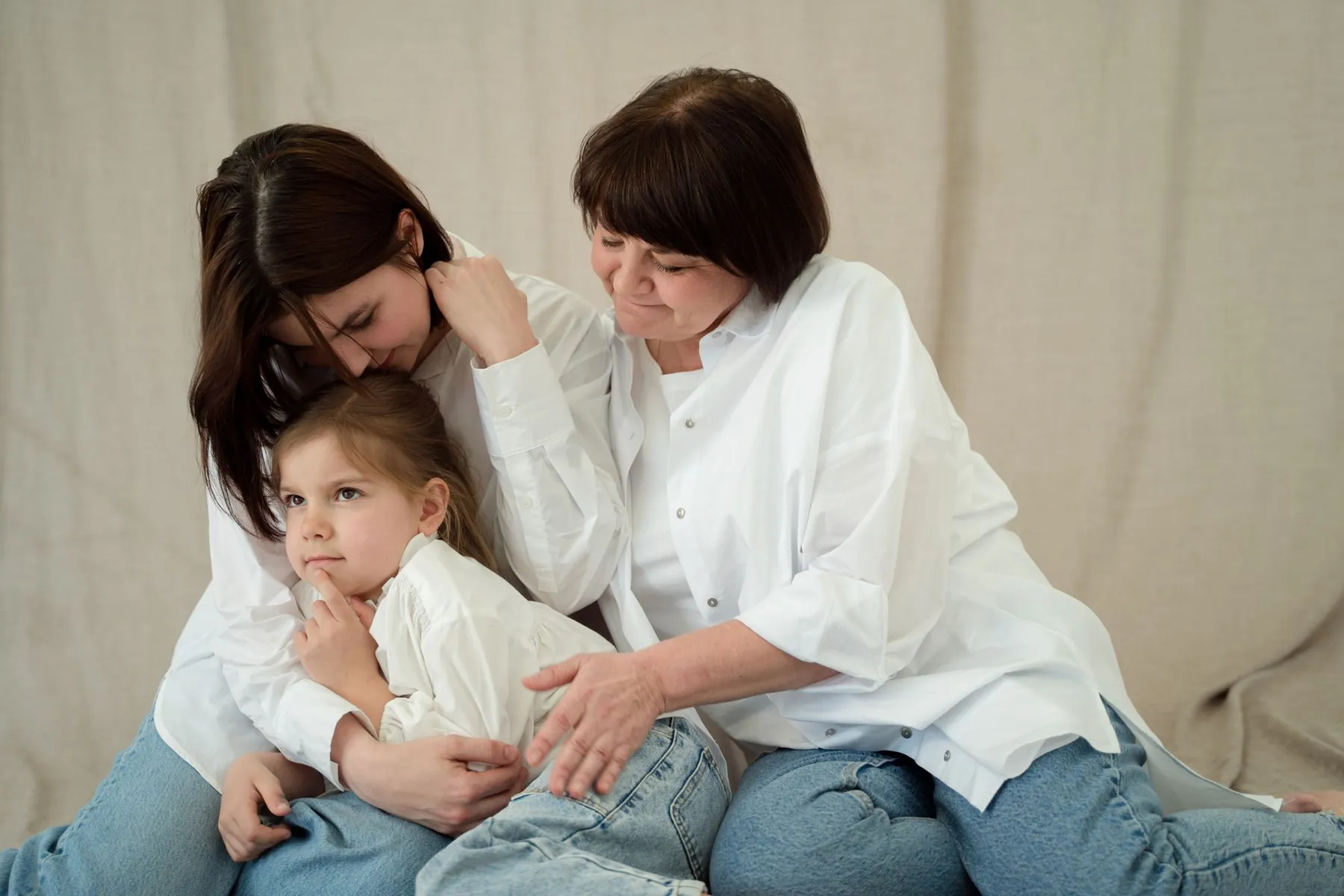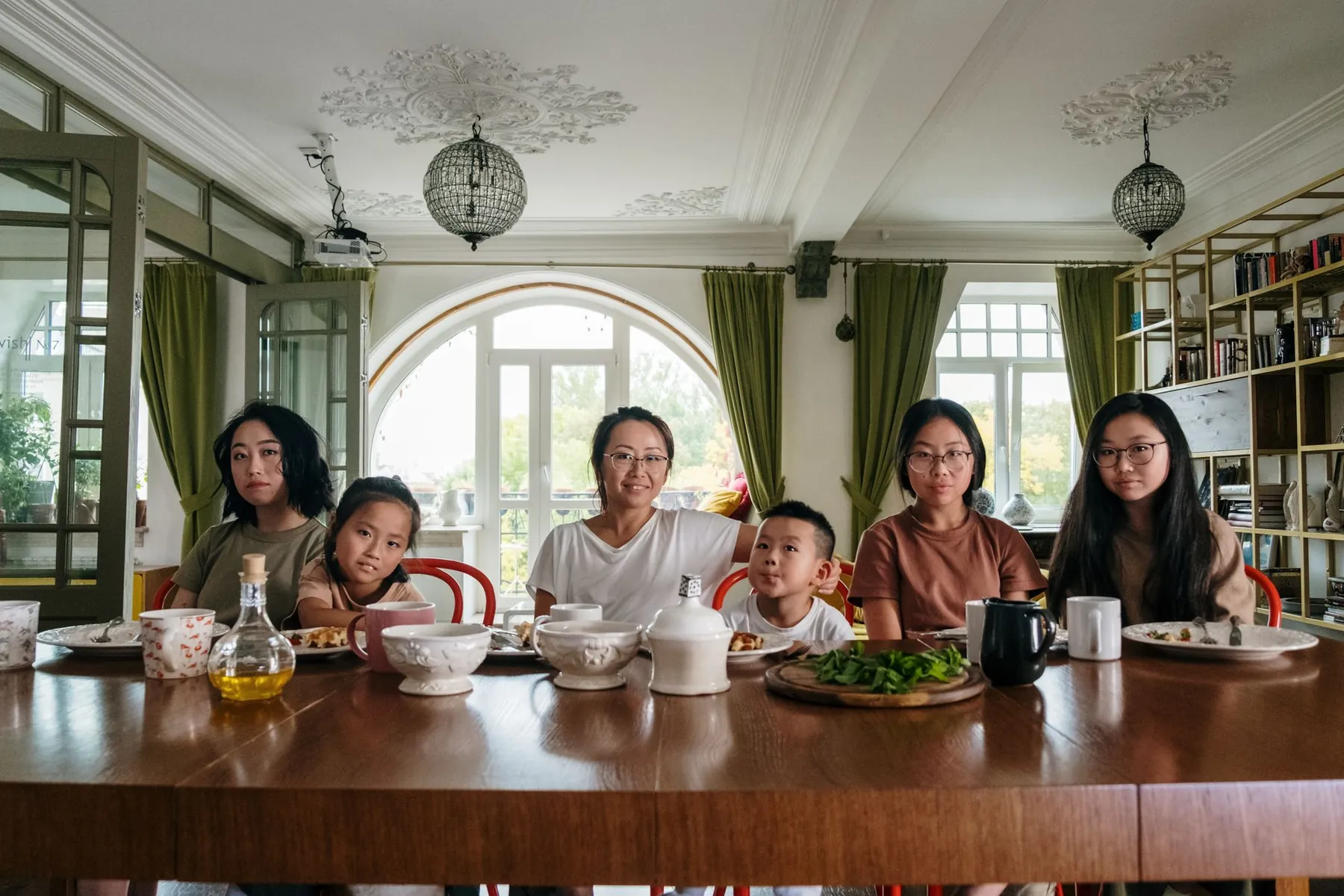
Bu mavzu O‘zbekiston uchun ayniqsa tabiiy: bizda yoshlar odatda turmush qurguncha ota-onasi bilan yashaydi. Madaniy farqni (G‘arbda 18 yoshda alohida ko‘chib ketish) kirishda aytish javobga keng nigoh beradi. Muhimi, an’anani hurmat qilgan holda ikki tomonni ham halol ko‘rsatish.
Topshiriq
Statement: Young people should live with their parents until they marry.
| For | Against |
|---|---|
| It saves money on rent | Living alone teaches independence |
| Families stay close and support each other | Adults need privacy |
| Young people can care for their parents | Study or work often requires moving |
Sizdan ikki tomonni ham ko‘rsatib, o‘z pozitsiyangizni asoslash so‘raladi: 1 daqiqa tayyorgarlik, 2 daqiqa nutq. Bu namunaviy topshiriq, imtihondagi format asosida tuzilgan.
Namunaviy javob (taxminan 2 daqiqa)
Young people should live with their parents until they marry.
In Uzbekistan, it's completely normal for young people to live with their parents until they get married, whereas in many Western countries people move out at eighteen. Both approaches have real advantages.
Living with your parents makes a lot of financial sense. Rent in Tashkent is very high compared with salaries, so a young person who stays at home can save money for a flat, a wedding or their education. It also keeps families close: parents and children support each other, and as parents get older, having their children nearby means they're never left alone.
On the other hand, there are good reasons to leave home earlier. Living on your own forces you to become independent: you learn to manage money, cook, pay bills and solve problems without someone doing it for you. Adults also need privacy, which can be hard to find in a crowded flat. And in practice, many young people have to move anyway, to study in another city or to work abroad.
In my opinion, it shouldn't be a rule either way. Staying at home is a sensible choice for many families, but I think every young person benefits from living independently for at least a while, for example while studying. What matters most is that the decision is made by the young person and their family together, not by tradition alone.
Foydali so‘z va iboralar
| Ibora | Ma’nosi |
|---|---|
| move out | alohida ko‘chib chiqish |
| make financial sense | moliyaviy jihatdan to‘g‘ri bo‘lish |
| compared with | ... ga nisbatan |
| be left alone | yolg‘iz qolish |
| on your own | mustaqil, yolg‘iz |
| in practice | amalda |
| a sensible choice | oqilona tanlov |
| not a rule either way | ikki tomonga ham qat’iy qoida emas |
Qanday javob berish kerak
- Kirishda madaniy kontrastni bering: «In Uzbekistan..., whereas in many Western countries...».
- Har bir dalilni aniq oqibat bilan yakunlang: «so a young person who stays at home can save...».
- «In practice» real hayotni nazariyadan ajratadi va javobni yetuk qiladi.
- «It shouldn't be a rule either way» C1 darajadagi nozik pozitsiya.

Shu mavzuni hozir mashq qiling
AI imtihonchi sizga shu savollarni beradi, javobingizni tinglaydi va xatolaringizni ko‘rsatadi.
Javob tuzilishi va C1 iboralari: Multilevel 3-qism qo‘llanmasi. Umumiy format: Multilevel Speaking.
Shu mavzuni hozir mashq qiling
AI imtihonchi sizga shu savollarni beradi, javobingizni tinglaydi va xatolaringizni ko‘rsatadi.