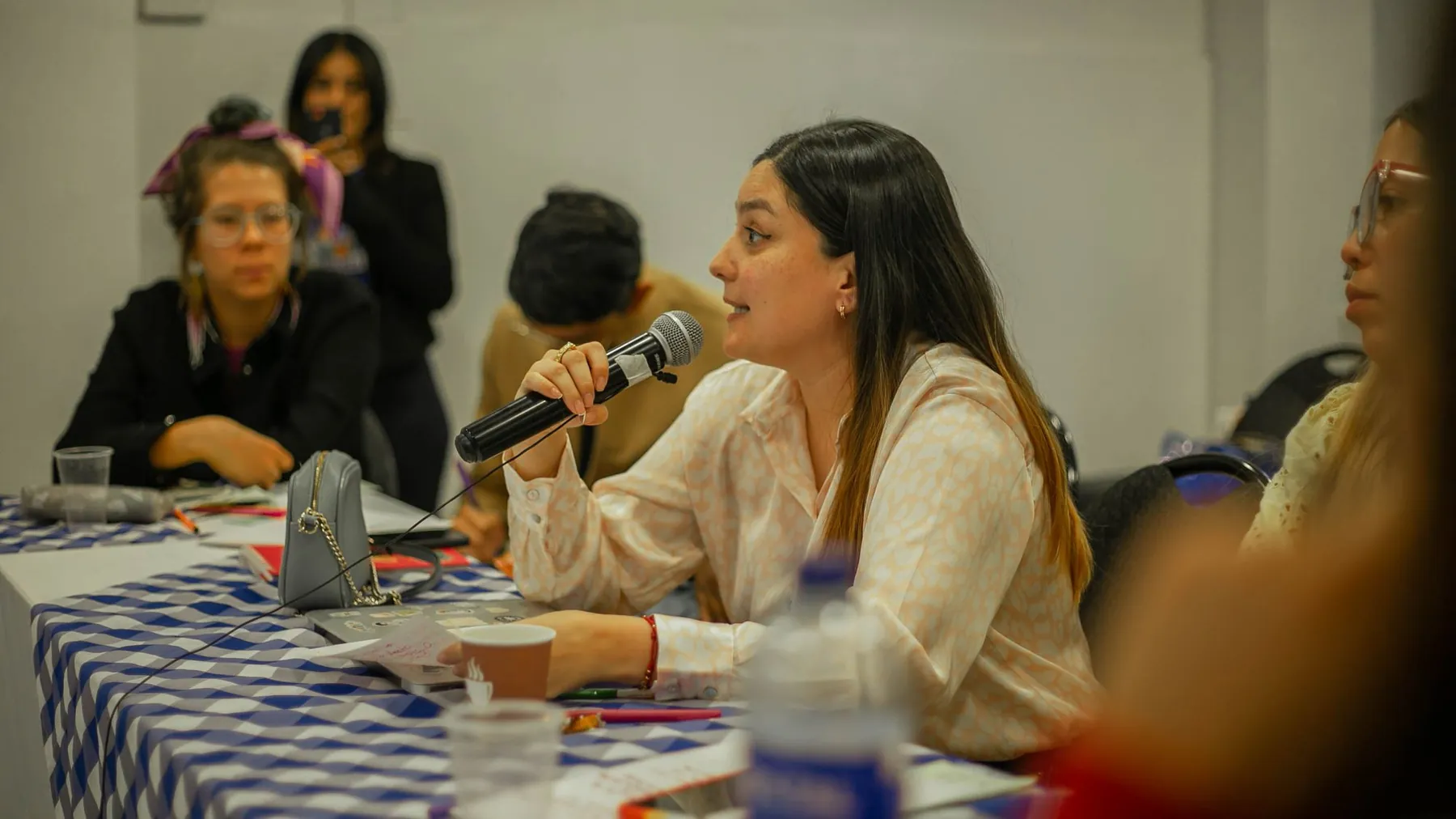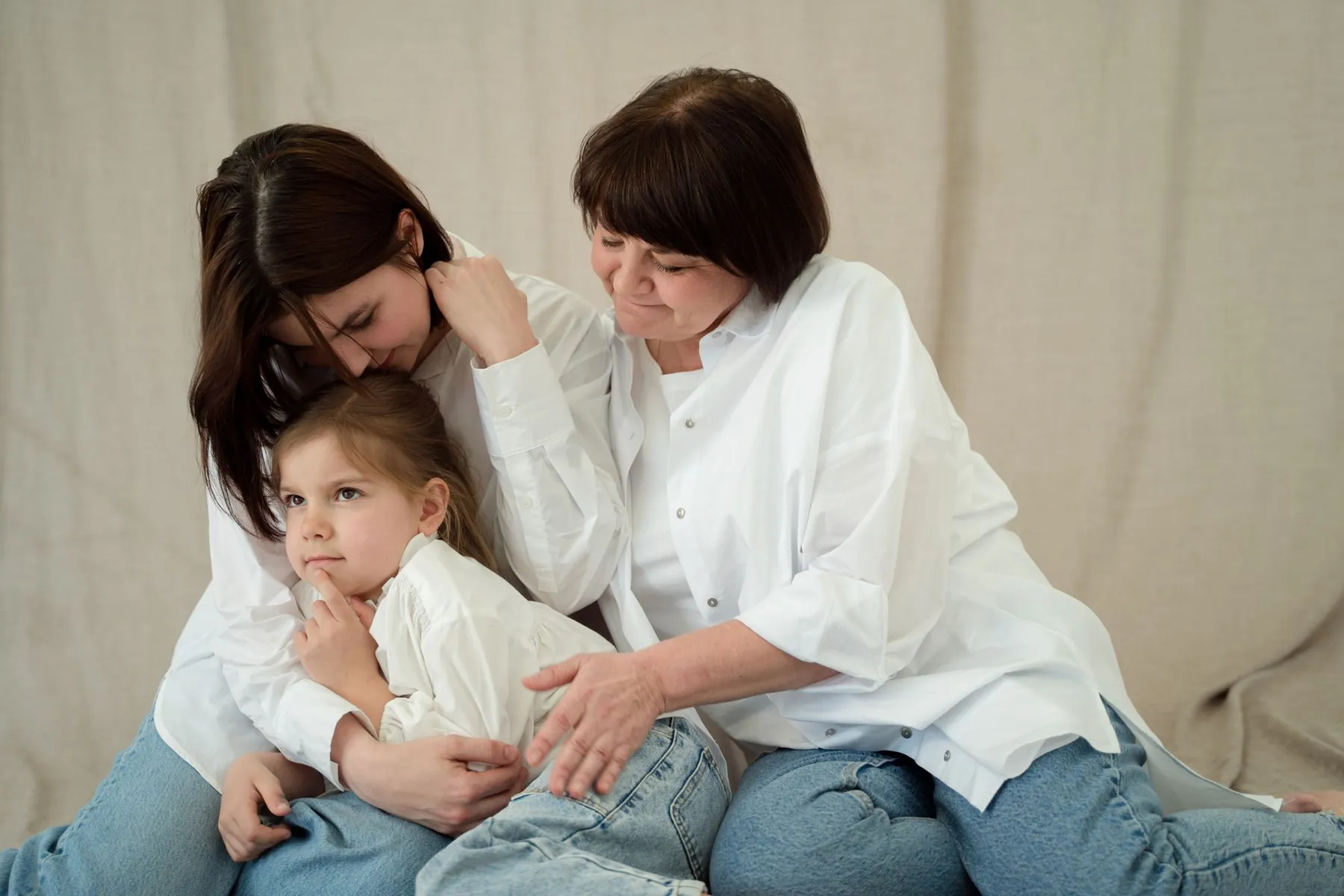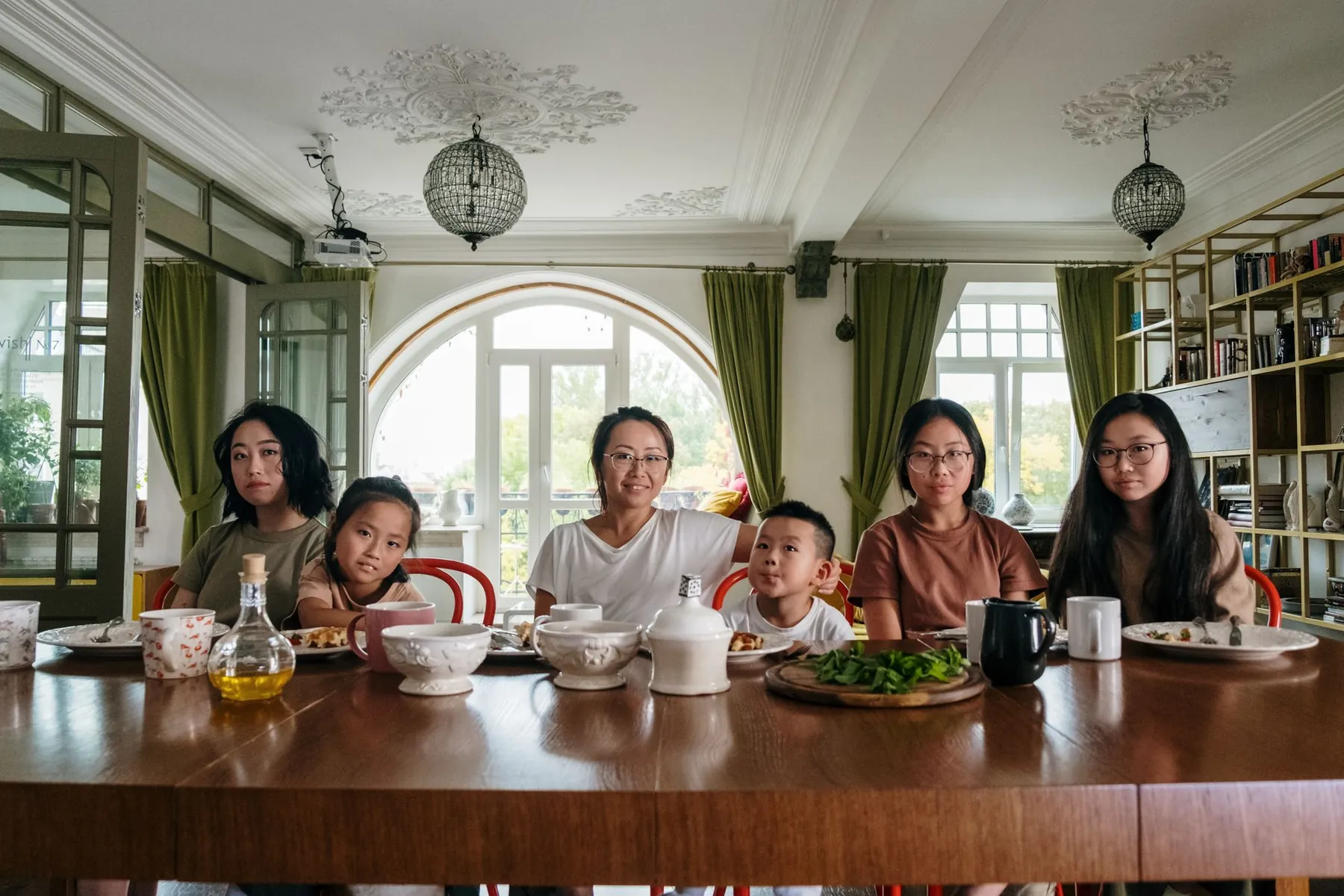
This topic is especially natural for Uzbekistan, where young people usually live with their parents until they marry. Mentioning the cultural contrast in the opening (in the West many move out at eighteen) gives the answer breadth. What matters is presenting both sides honestly while respecting the tradition.
The task
Statement: Young people should live with their parents until they marry.
| For | Against |
|---|---|
| It saves money on rent | Living alone teaches independence |
| Families stay close and support each other | Adults need privacy |
| Young people can care for their parents | Study or work often requires moving |
You need to present both sides and argue your own position: one minute to prepare, two minutes to speak. This is a practice task in the exam's format.
Model answer (about 2 minutes)
Young people should live with their parents until they marry.
In Uzbekistan, it's completely normal for young people to live with their parents until they get married, whereas in many Western countries people move out at eighteen. Both approaches have real advantages.
Living with your parents makes a lot of financial sense. Rent in Tashkent is very high compared with salaries, so a young person who stays at home can save money for a flat, a wedding or their education. It also keeps families close: parents and children support each other, and as parents get older, having their children nearby means they're never left alone.
On the other hand, there are good reasons to leave home earlier. Living on your own forces you to become independent: you learn to manage money, cook, pay bills and solve problems without someone doing it for you. Adults also need privacy, which can be hard to find in a crowded flat. And in practice, many young people have to move anyway, to study in another city or to work abroad.
In my opinion, it shouldn't be a rule either way. Staying at home is a sensible choice for many families, but I think every young person benefits from living independently for at least a while, for example while studying. What matters most is that the decision is made by the young person and their family together, not by tradition alone.
Useful words and phrases
| Phrase | Meaning |
|---|---|
| move out | move out |
| make financial sense | make financial sense |
| compared with | compared with |
| be left alone | be left alone |
| on your own | on your own |
| in practice | in practice |
| a sensible choice | a sensible choice |
| not a rule either way | not a rule either way |
How to answer
- Give the cultural contrast in the opening: "In Uzbekistan..., whereas in many Western countries...".
- End each point with a concrete consequence: "so a young person who stays at home can save...".
- "In practice" separates real life from theory and makes the answer sound mature.
- "It shouldn't be a rule either way" is a nuanced, C1-level position.

Practise this topic now
The AI examiner asks you these questions, listens to your answers and shows your mistakes.
The answer shape and C1 phrases: the part 3 guide. The overall format: Multilevel Speaking.
Practise this topic now
The AI examiner asks you these questions, listens to your answers and shows your mistakes.