Questions on shopping and consumerism ask why we buy more than we need, and cover online shopping, advertising and the future of small shops. Comparing the bazaar with online platforms gives you a ready-made local contrast.
Part 3 questions on this topic
Why do people buy more than they need?
Has online shopping changed the way people shop?
Is advertising aimed at children acceptable?
Are small local shops disappearing?
Do people judge others by what they own?
Should second-hand goods be more popular?
Model answers (aimed at band 7+)
Why do people buy more than they need?
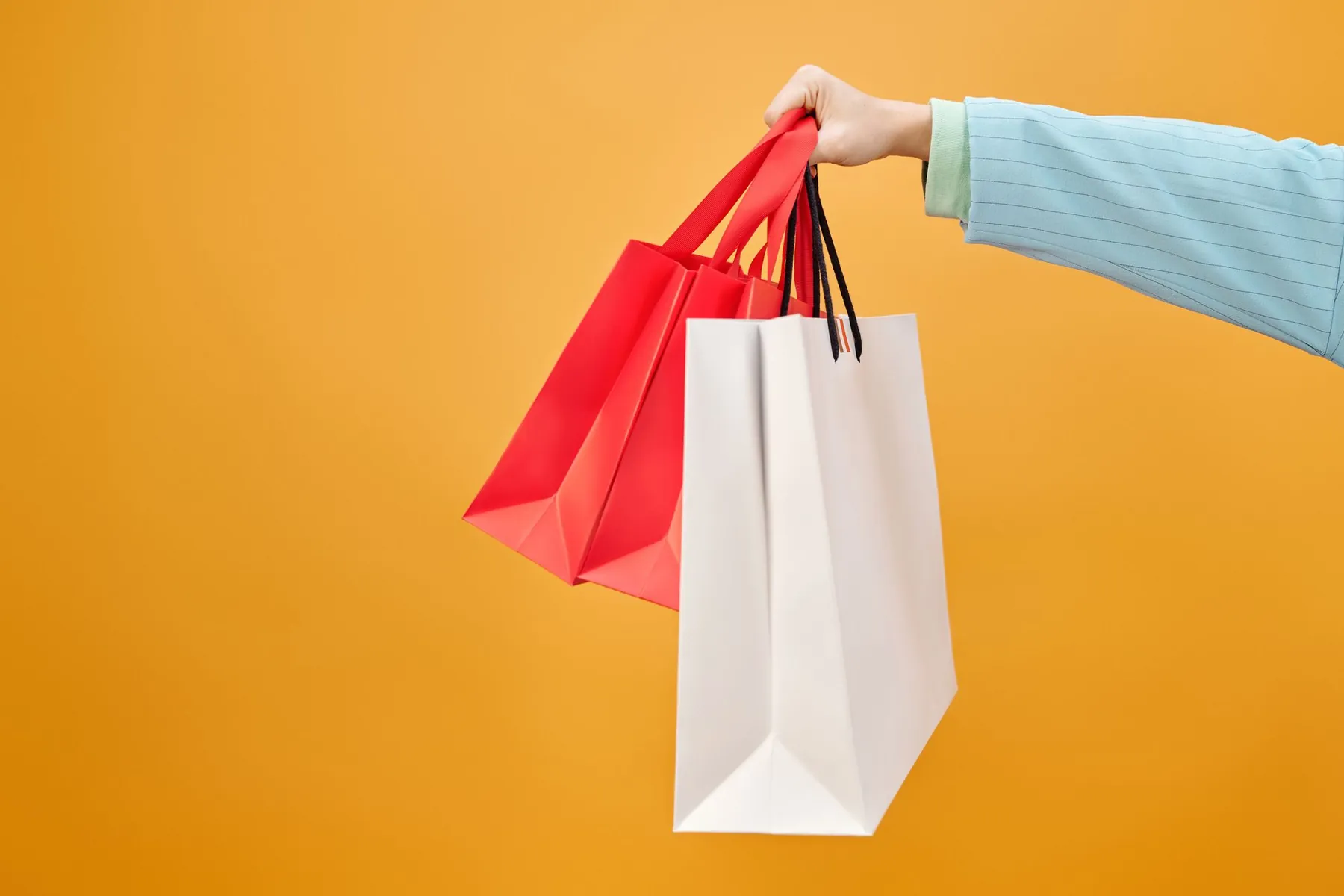
Mainly because buying things gives a quick boost of happiness, and companies are very good at creating that feeling. Discounts, limited-time offers and influencers on social media all make people feel they'll miss out if they don't buy now. The excitement usually disappears as soon as the parcel is opened.
Has online shopping changed the way people shop?
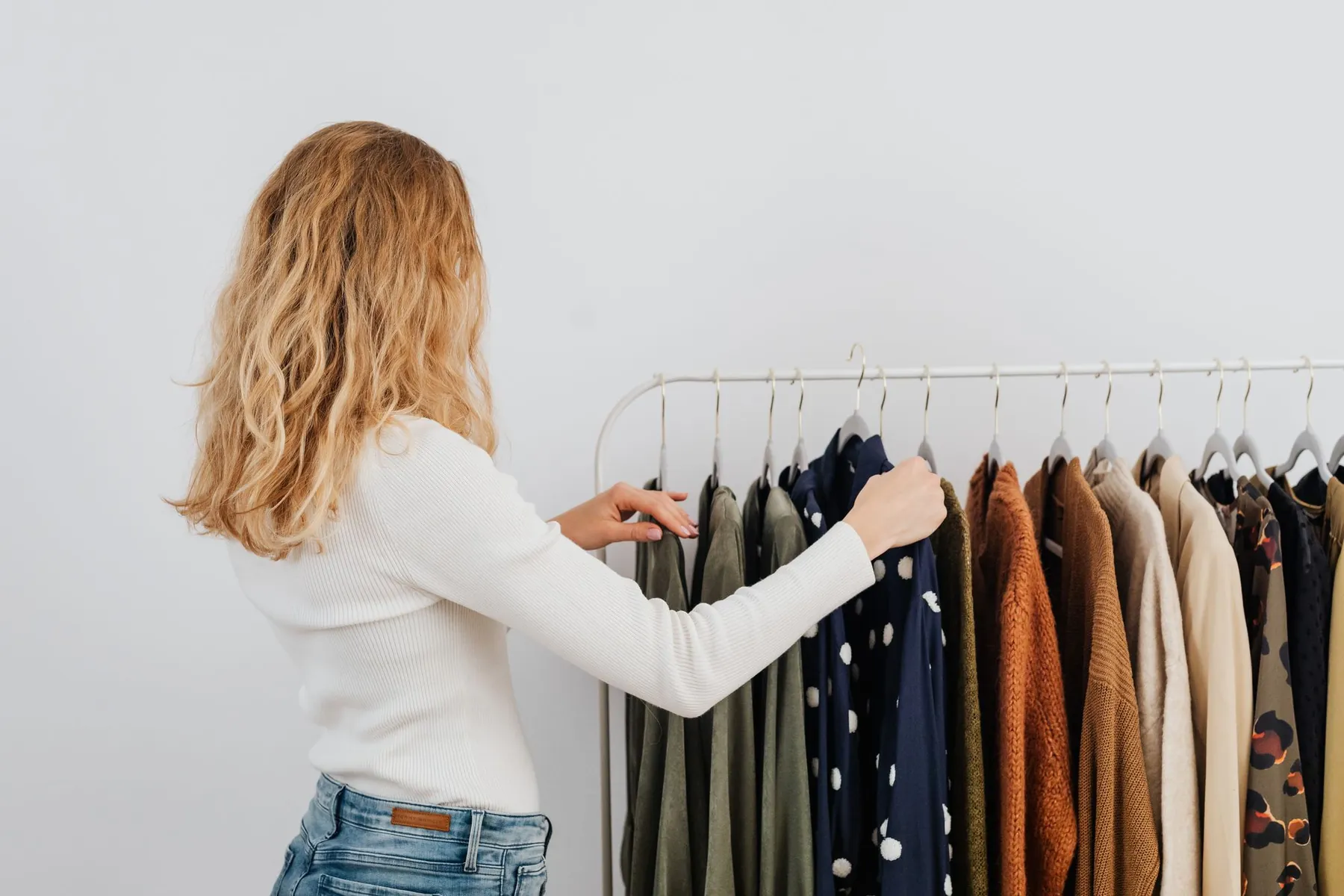
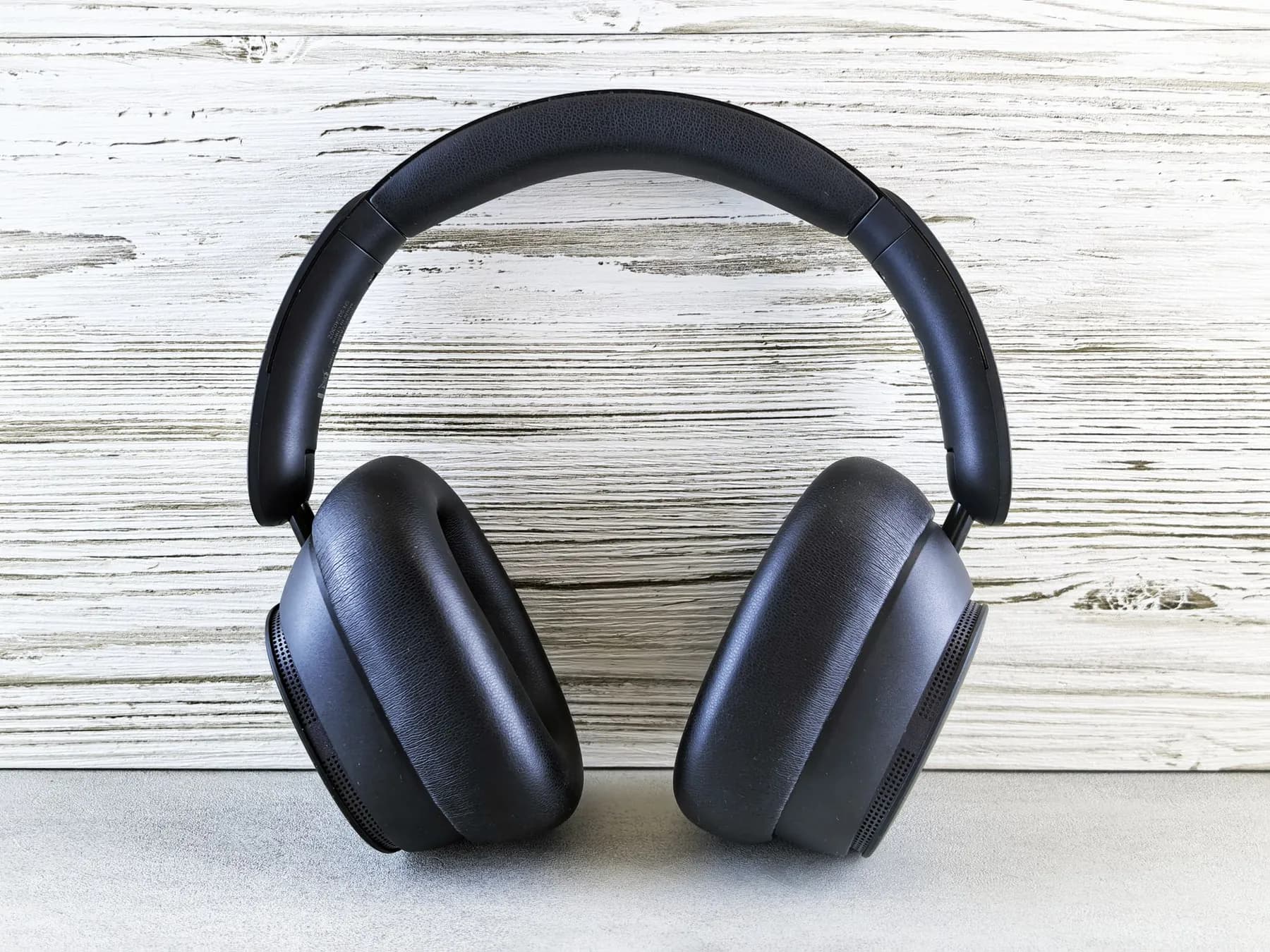
Completely. A few years ago people went to the bazaar or the mall for almost everything; now a lot of people order clothes, electronics and even groceries on their phones and get them the next day. It's convenient, but it also makes impulse buying much easier, because you can buy something at two in the morning without getting out of bed.
Are small local shops disappearing?
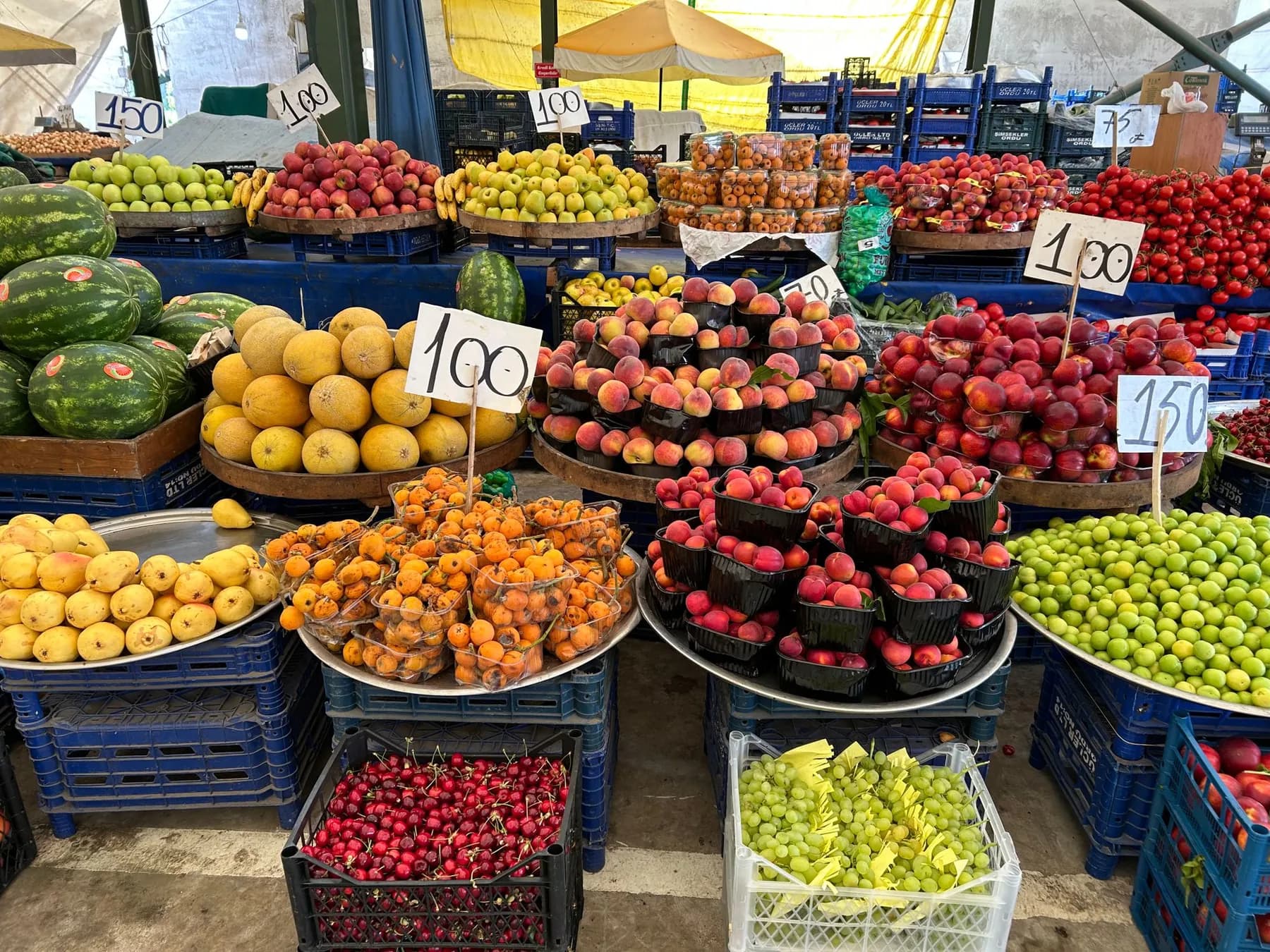
Some are, especially the ones selling clothes and electronics, because they can't compete on price with the big online platforms. But food shops and bazaars are surviving quite well in Uzbekistan, partly because people still like to choose fresh produce themselves, and partly because of personal relationships with sellers.
Do people judge others by what they own?
To some extent, yes, especially young people. The phone you have or the brand of your trainers can affect how people see you at school. I think it matters less as people get older and realise that what someone owns tells you very little about them.
Useful words and phrases
| Phrase | Meaning |
|---|---|
| a quick boost | a quick boost |
| miss out | miss out |
| impulse buying | impulse buying |
| compete on price | compete on price |
| fresh produce | fresh produce |
| a status symbol | a status symbol |
| second-hand | second-hand |
| consumerism | consumerism |
How to answer
- Open with a position, then add a reason, an example and the other side.
- Hedge instead of making absolute claims: "I'd say", "to some extent", "it's likely that".
- Compare the bazaar with online shops: a local, concrete contrast.
- Split your answer by group: "some are..., but food shops...", "especially young people".
Practise this topic now
The AI examiner asks you these questions, listens to your answers and shows your mistakes.
The Part 3 answer shape and hedging language: the Part 3 guide. Useful phrases: 40 phrases.
Practise this topic now
The AI examiner asks you these questions, listens to your answers and shows your mistakes.