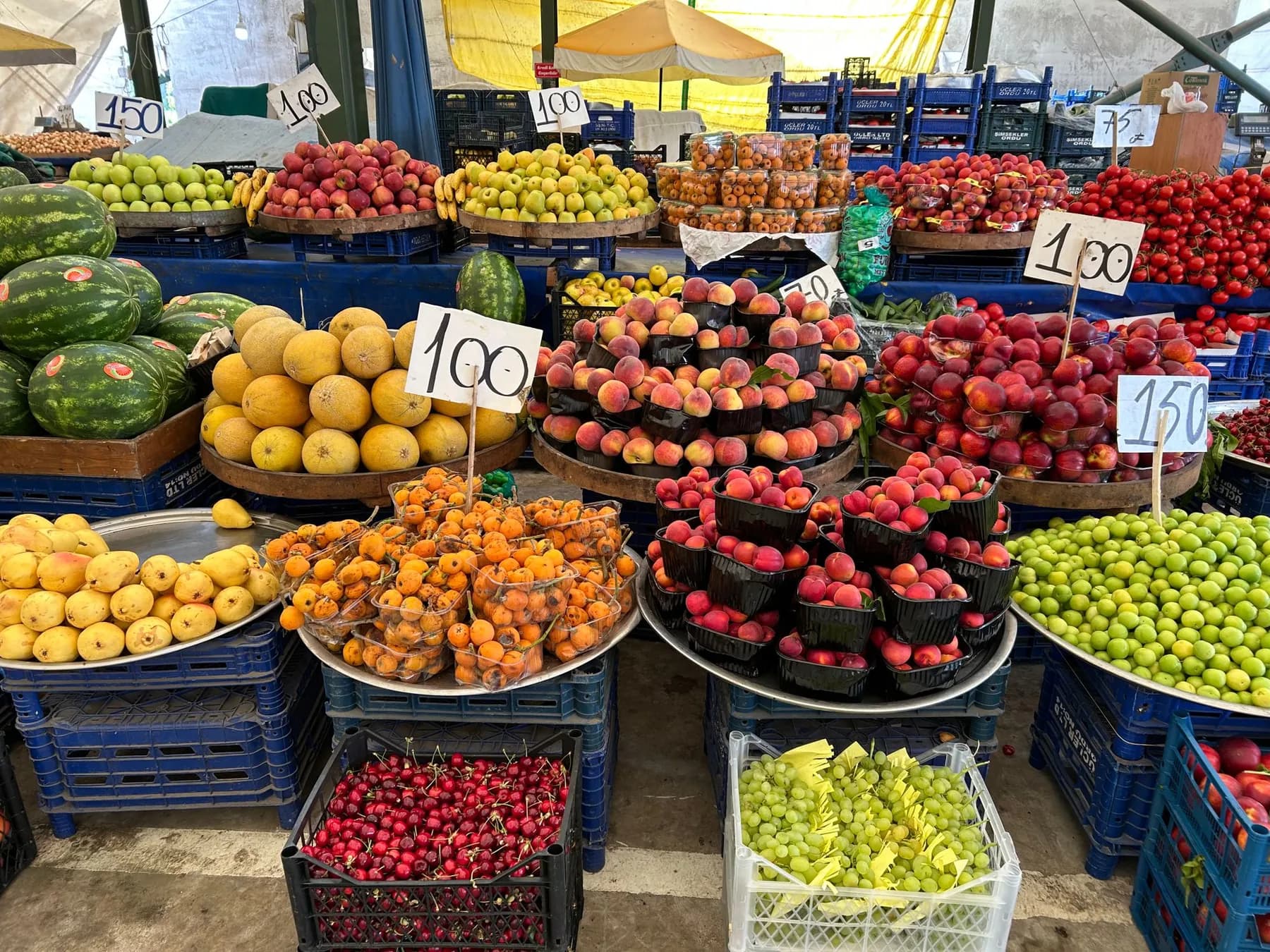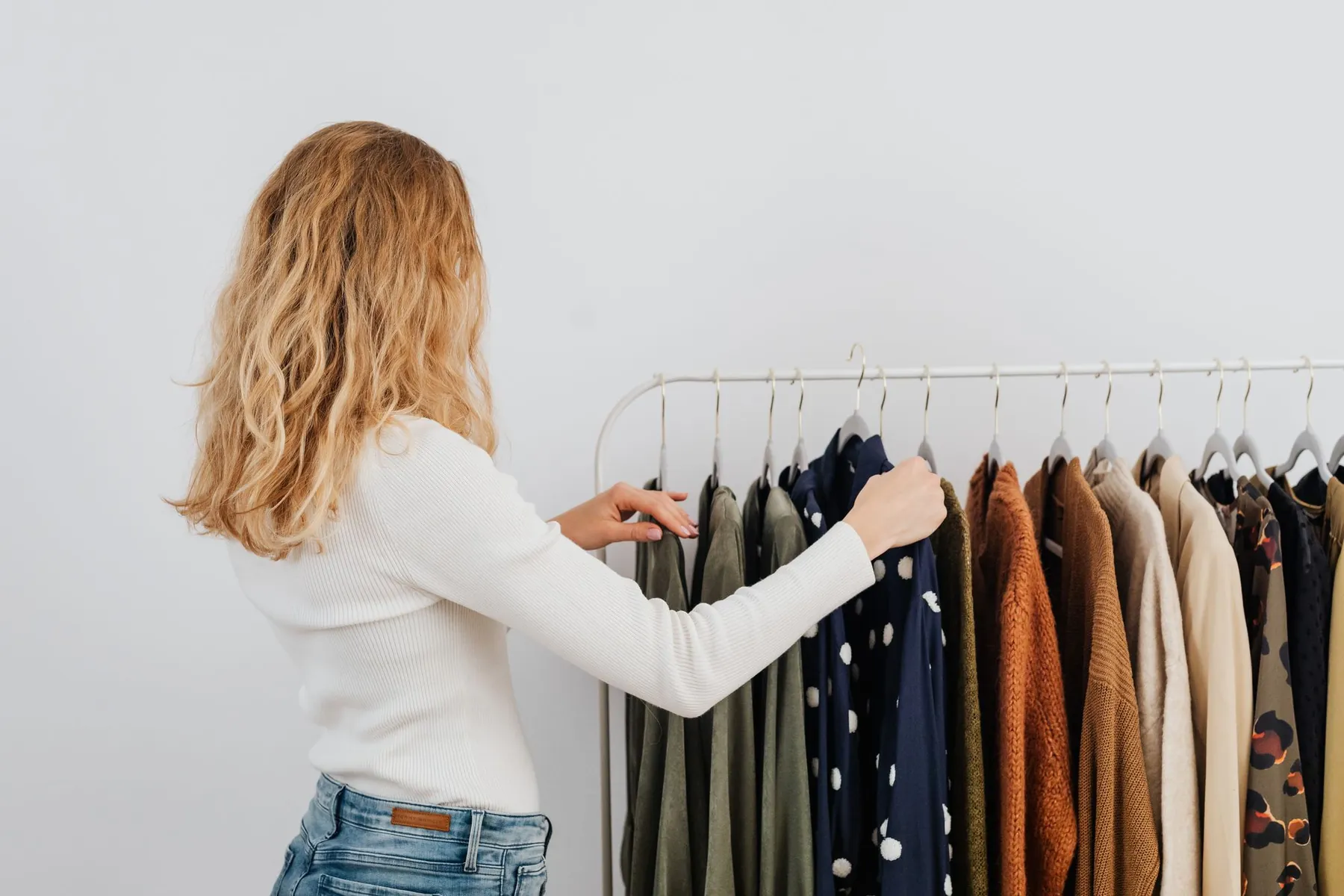
Xarid va iste’mol mavzusida savollar nega kerakligidan ko‘p sotib olishimiz, onlayn savdo, reklama va kichik do‘konlar taqdiri haqida. Bozor va onlayn platformalarni solishtirish tayyor mahalliy kontrast beradi.
Bu mavzuda beriladigan Part 3 savollari
Why do people buy more than they need?
Has online shopping changed the way people shop?
Is advertising aimed at children acceptable?
Are small local shops disappearing?
Do people judge others by what they own?
Should second-hand goods be more popular?
Namunaviy javoblar (7+ band uchun mo‘ljallangan)
Why do people buy more than they need?
Mainly because buying things gives a quick boost of happiness, and companies are very good at creating that feeling. Discounts, limited-time offers and influencers on social media all make people feel they'll miss out if they don't buy now. The excitement usually disappears as soon as the parcel is opened.
Has online shopping changed the way people shop?
Completely. A few years ago people went to the bazaar or the mall for almost everything; now a lot of people order clothes, electronics and even groceries on their phones and get them the next day. It's convenient, but it also makes impulse buying much easier, because you can buy something at two in the morning without getting out of bed.
Are small local shops disappearing?
Some are, especially the ones selling clothes and electronics, because they can't compete on price with the big online platforms. But food shops and bazaars are surviving quite well in Uzbekistan, partly because people still like to choose fresh produce themselves, and partly because of personal relationships with sellers.
Do people judge others by what they own?
To some extent, yes, especially young people. The phone you have or the brand of your trainers can affect how people see you at school. I think it matters less as people get older and realise that what someone owns tells you very little about them.
Foydali so‘z va iboralar
| Ibora | Ma’nosi |
|---|---|
| a quick boost | qisqa muddatli ko‘tarinkilik |
| miss out | imkoniyatni boy berish |
| impulse buying | o‘ylamasdan xarid qilish |
| compete on price | narxda raqobatlashish |
| fresh produce | yangi meva-sabzavot |
| a status symbol | maqom belgisi |
| second-hand | ishlatilgan |
| consumerism | iste’molchilik |
Qanday javob berish kerak
- Javobni pozitsiya bilan boshlang, keyin sabab, misol va boshqa tomonni qo‘shing.
- Mutlaq gaplar o‘rniga hedging: «I'd say», «to some extent», «it's likely that».
- Bozor va onlayn do‘konlarni solishtiring: bu mahalliy va aniq kontrast.
- Javobni guruhlarga ajrating: «some are..., but food shops...», «especially young people».

Shu mavzuni hozir mashq qiling
AI imtihonchi sizga shu savollarni beradi, javobingizni tinglaydi va xatolaringizni ko‘rsatadi.
Part 3 javob tuzilishi va hedging iboralari: Part 3 qo‘llanmasi. Foydali iboralar: 40 ta ibora.
Shu mavzuni hozir mashq qiling
AI imtihonchi sizga shu savollarni beradi, javobingizni tinglaydi va xatolaringizni ko‘rsatadi.