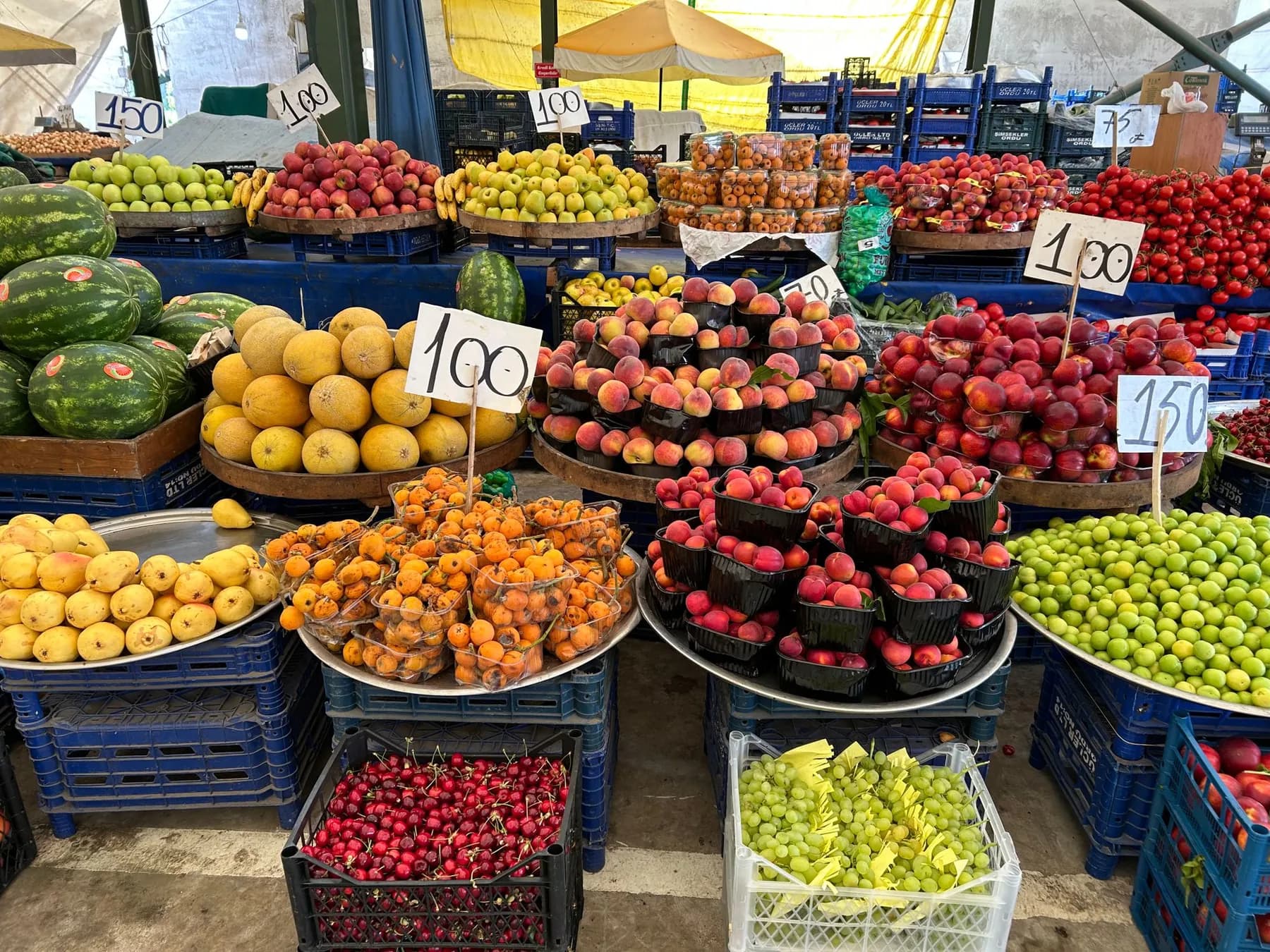
В теме покупок и потребления спрашивают, почему мы покупаем больше нужного, об онлайн-торговле, рекламе и судьбе маленьких магазинов. Сравнение базара и онлайн-платформ даёт готовый местный контраст.
Вопросы Part 3 по этой теме
Why do people buy more than they need?
Has online shopping changed the way people shop?
Is advertising aimed at children acceptable?
Are small local shops disappearing?
Do people judge others by what they own?
Should second-hand goods be more popular?
Примеры ответов (рассчитаны на 7+ band)
Why do people buy more than they need?
Mainly because buying things gives a quick boost of happiness, and companies are very good at creating that feeling. Discounts, limited-time offers and influencers on social media all make people feel they'll miss out if they don't buy now. The excitement usually disappears as soon as the parcel is opened.
Has online shopping changed the way people shop?
Completely. A few years ago people went to the bazaar or the mall for almost everything; now a lot of people order clothes, electronics and even groceries on their phones and get them the next day. It's convenient, but it also makes impulse buying much easier, because you can buy something at two in the morning without getting out of bed.
Are small local shops disappearing?
Some are, especially the ones selling clothes and electronics, because they can't compete on price with the big online platforms. But food shops and bazaars are surviving quite well in Uzbekistan, partly because people still like to choose fresh produce themselves, and partly because of personal relationships with sellers.
Do people judge others by what they own?
To some extent, yes, especially young people. The phone you have or the brand of your trainers can affect how people see you at school. I think it matters less as people get older and realise that what someone owns tells you very little about them.
Полезные слова и выражения
| Выражение | Значение |
|---|---|
| a quick boost | быстрый заряд |
| miss out | упустить |
| impulse buying | импульсивные покупки |
| compete on price | конкурировать по цене |
| fresh produce | свежие продукты |
| a status symbol | символ статуса |
| second-hand | подержанный |
| consumerism | потребительство |
Как отвечать
- Начинайте с позиции, затем причина, пример и другая сторона.
- Вместо категоричных утверждений hedging: «I'd say», «to some extent», «it's likely that».
- Сравните базар и онлайн-магазины: это местный и конкретный контраст.
- Делите ответ по группам: «some are..., but food shops...», «especially young people».

Отработайте эту тему сейчас
AI-экзаменатор задаст вам эти вопросы, выслушает ответ и покажет ошибки.
Структура ответа Part 3 и фразы hedging: руководство по Part 3. Полезные фразы: 40 фраз.
Отработайте эту тему сейчас
AI-экзаменатор задаст вам эти вопросы, выслушает ответ и покажет ошибки.