Questions about urban life follow cue cards about a place, a city or transport. The main lines are comparing city and countryside, migration and the cities of the future.
Part 3 questions on this topic
Why do so many young people move to big cities?
What are the disadvantages of living in a big city?
Should old buildings be preserved or replaced with modern ones?
How can cities reduce traffic?
Is life in the countryside better for children?
What will cities look like in fifty years?
Model answers (aimed at band 7+)
What are the disadvantages of living in a big city?
The cost of living is the main one. Rent in Tashkent has gone up enormously, so young people often spend half their salary on housing. Then there's the traffic and pollution, and I think city life can be lonely too, because people are busy and often don't even know their neighbours.
Should old buildings be preserved or replaced with modern ones?
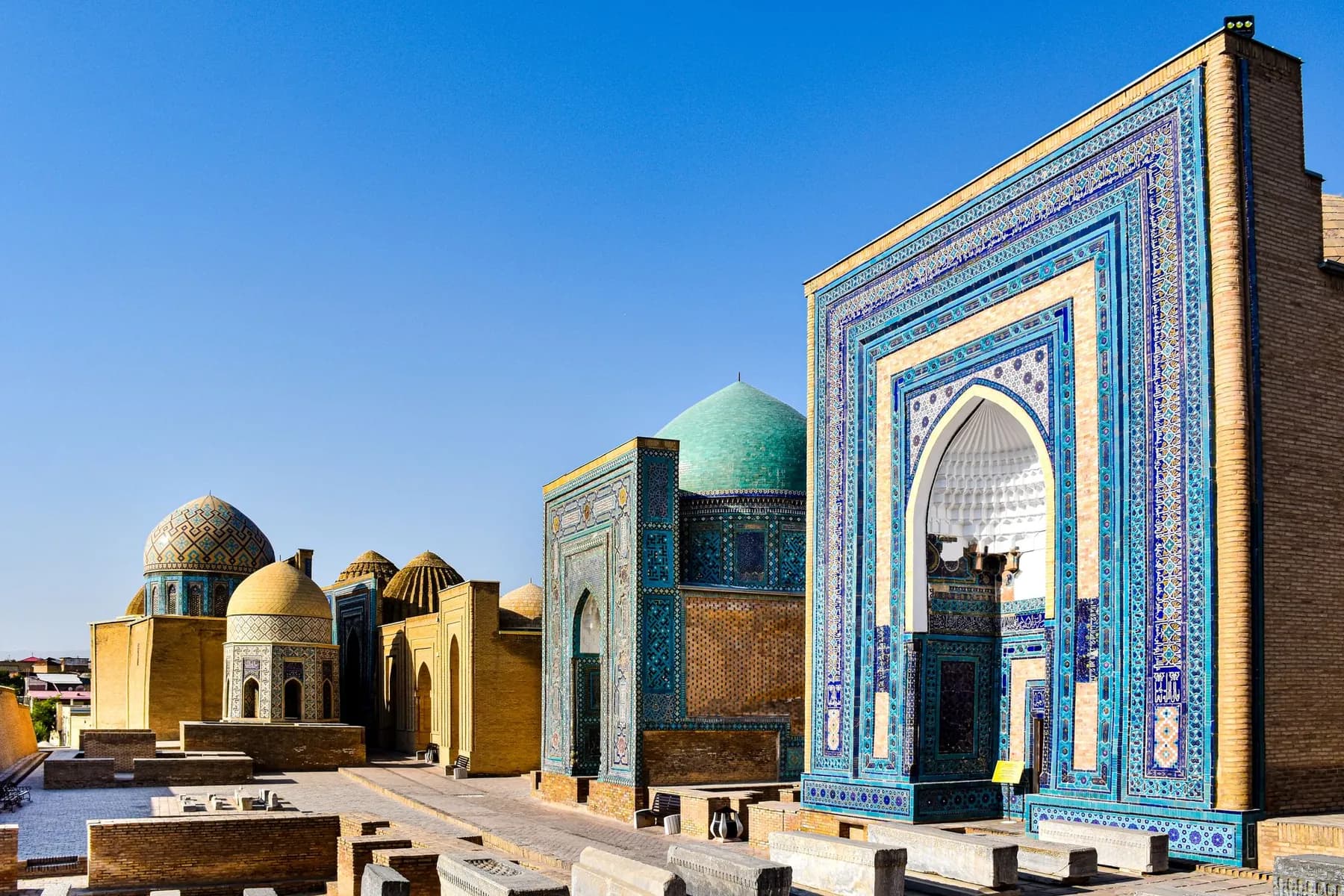
It depends on the building. Historic places like the old parts of Bukhara or Khiva should definitely be protected, because once they're gone, they're gone forever. But I don't think every old Soviet block needs saving; sometimes replacing them makes cities safer and more comfortable.
How can cities reduce traffic?
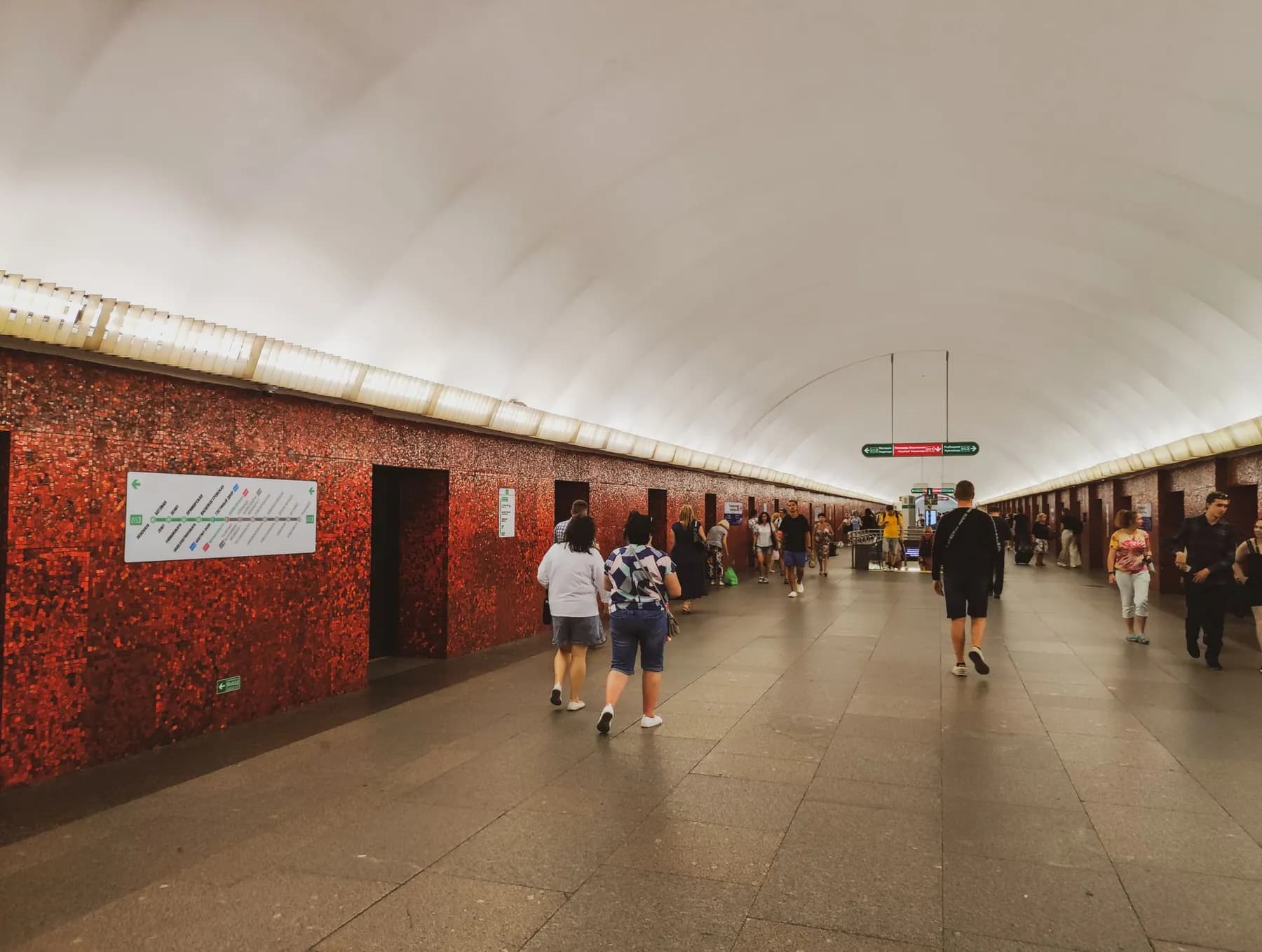
The most effective way is to make public transport faster and more comfortable than driving. Tashkent's metro extensions are a good example. Some cities also charge drivers to enter the centre, but that only works if people have a realistic alternative.
Is life in the countryside better for children?
In some ways, yes. Children in villages tend to spend more time outdoors and have more freedom, which is great for their health. On the other hand, schools and extra activities are usually better in cities, so it's a trade-off many parents struggle with.
Useful words and phrases
| Phrase | Meaning |
|---|---|
| the cost of living | the cost of living |
| rent has gone up | rent has gone up |
| be protected | be protected |
| gone forever | gone forever |
| a realistic alternative | a realistic alternative |
| outdoors | outdoors |
| a trade-off | a trade-off |
| urbanisation | urbanisation |
How to answer
- Open with a position, then add a reason, an example and the other side.
- Hedge instead of making absolute claims: "I'd say", "to some extent", "it's likely that".
- Start with "It depends on..." and separate two cases (a historic building and an ordinary one).
- Use a concrete number or fact: rent, metro lines, population growth.

Practise this topic now
The AI examiner asks you these questions, listens to your answers and shows your mistakes.
The Part 3 answer shape and hedging language: the Part 3 guide. Useful phrases: 40 phrases.
Practise this topic now
The AI examiner asks you these questions, listens to your answers and shows your mistakes.