Вопросы о городской жизни идут после cue card о месте, городе или транспорте. Главные направления: сравнение города и села, миграция и города будущего.
Вопросы Part 3 по этой теме
Why do so many young people move to big cities?
What are the disadvantages of living in a big city?
Should old buildings be preserved or replaced with modern ones?
How can cities reduce traffic?
Is life in the countryside better for children?
What will cities look like in fifty years?
Примеры ответов (рассчитаны на 7+ band)
What are the disadvantages of living in a big city?
The cost of living is the main one. Rent in Tashkent has gone up enormously, so young people often spend half their salary on housing. Then there's the traffic and pollution, and I think city life can be lonely too, because people are busy and often don't even know their neighbours.
Should old buildings be preserved or replaced with modern ones?
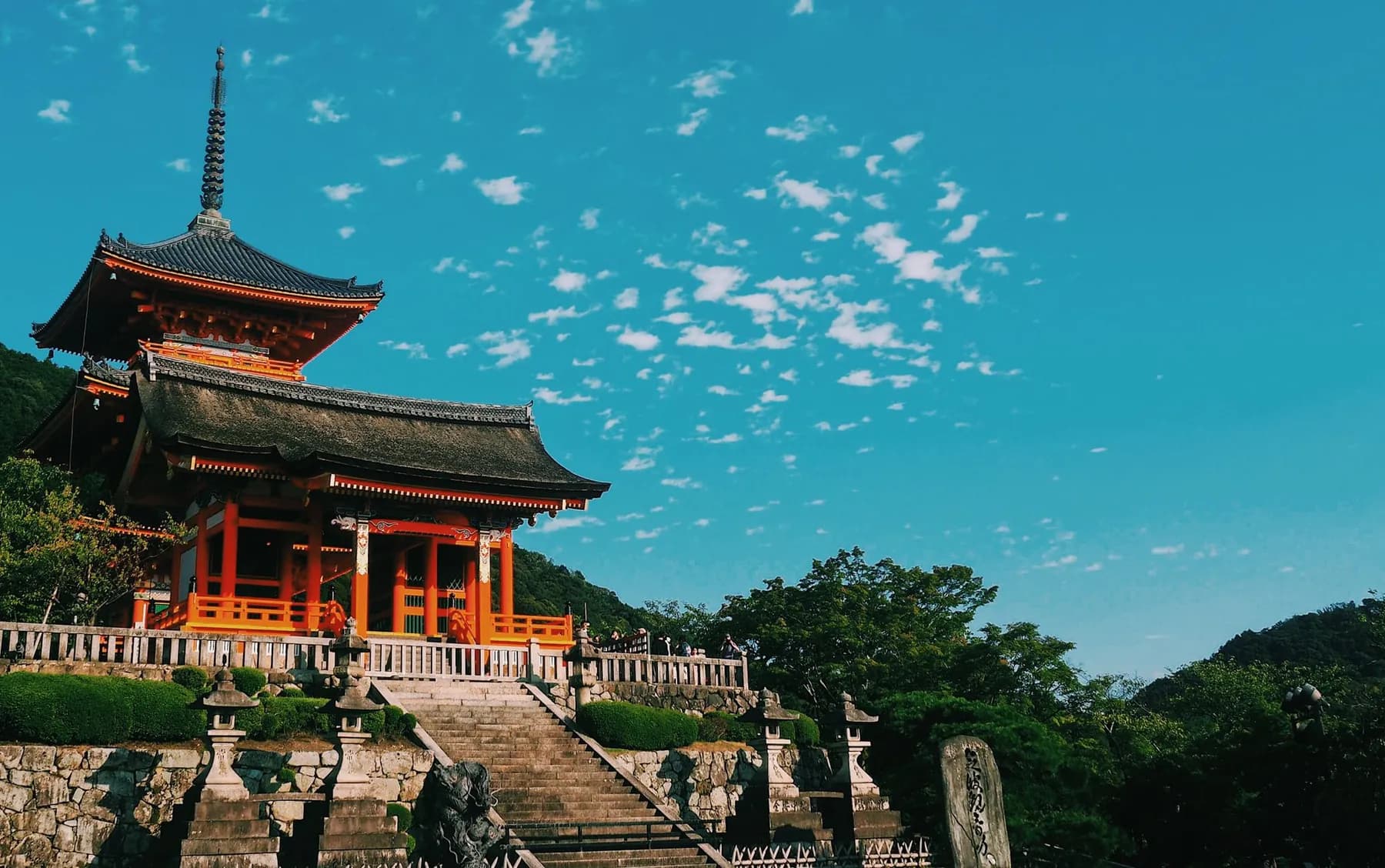
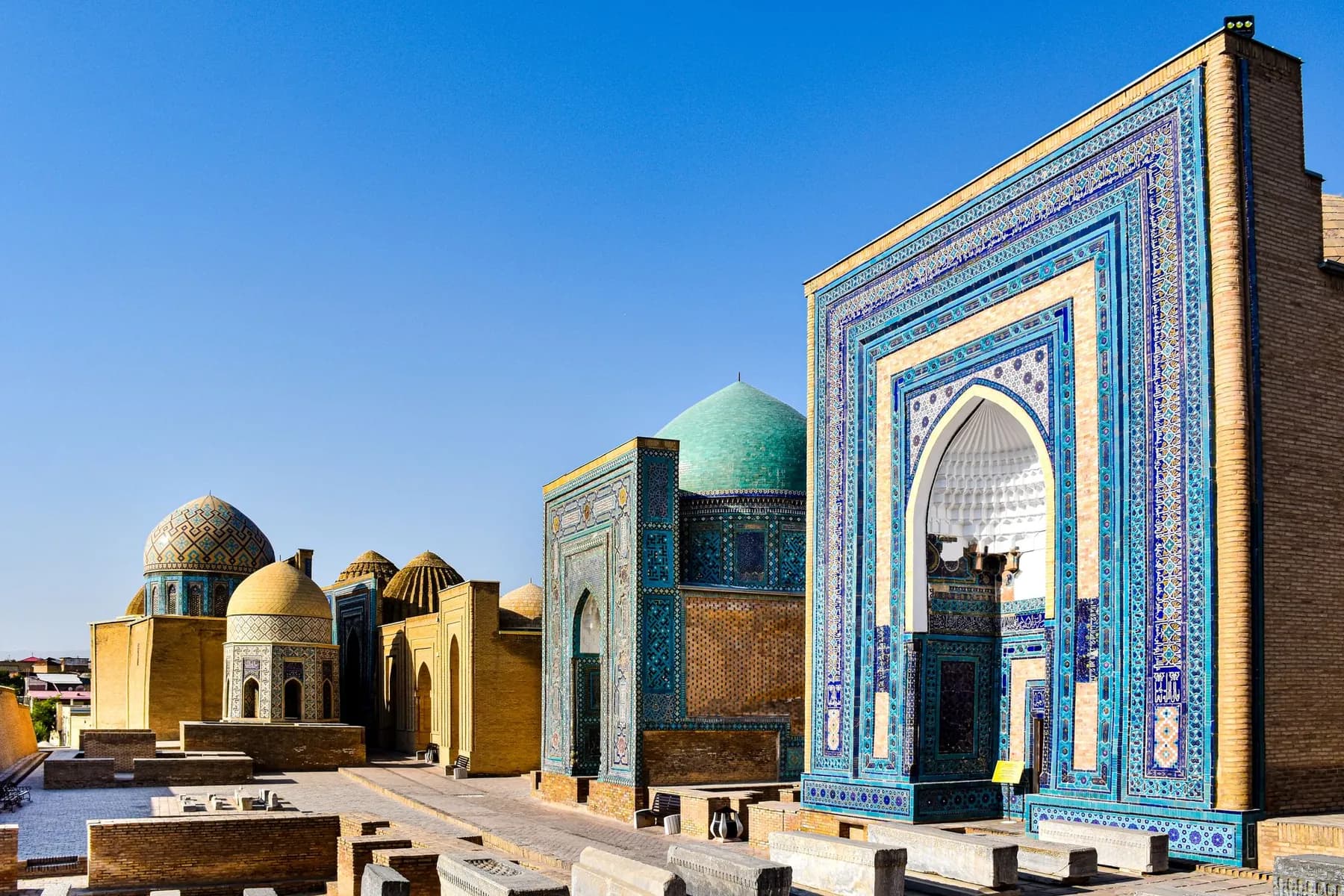
It depends on the building. Historic places like the old parts of Bukhara or Khiva should definitely be protected, because once they're gone, they're gone forever. But I don't think every old Soviet block needs saving; sometimes replacing them makes cities safer and more comfortable.
How can cities reduce traffic?
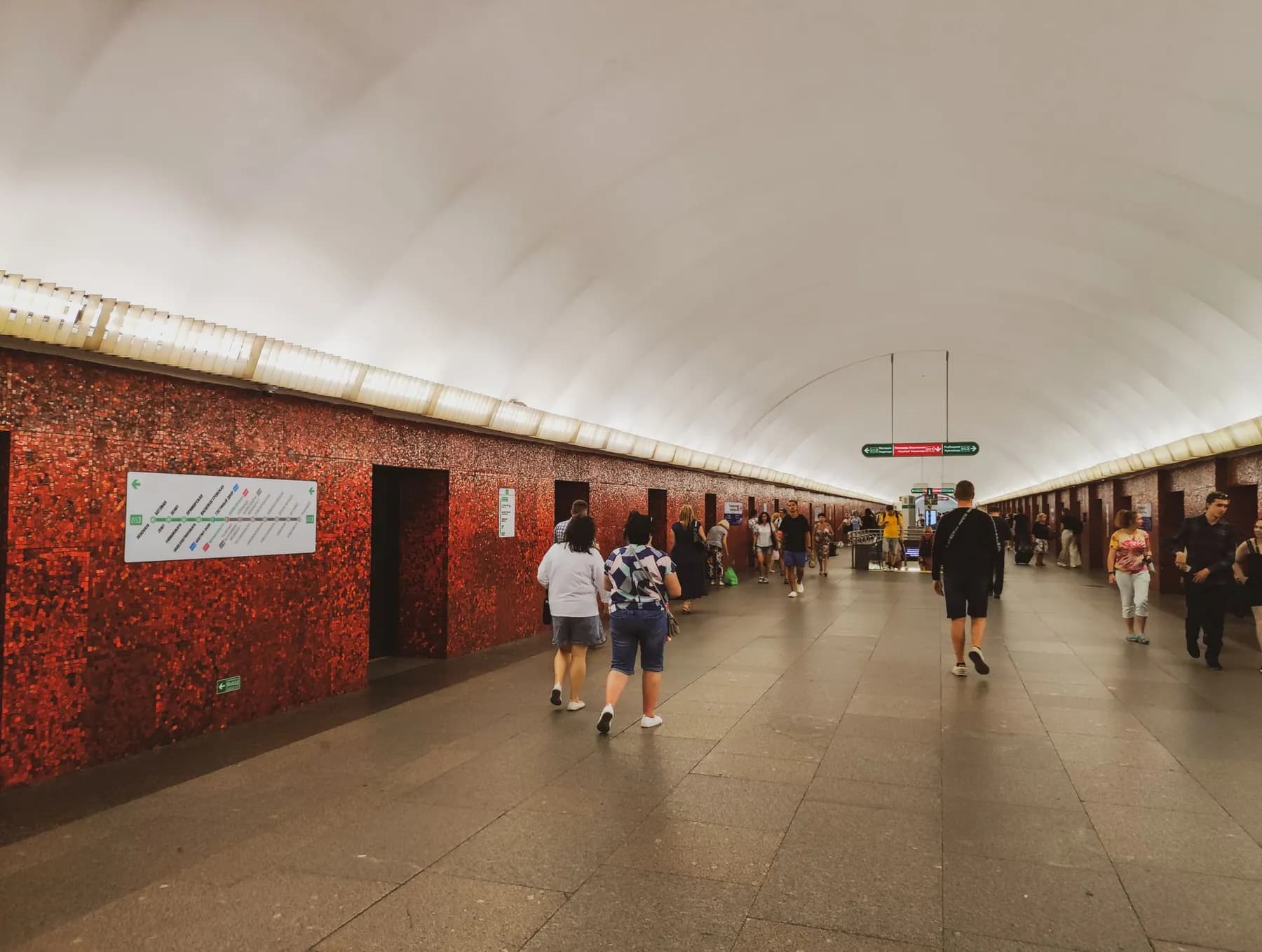
The most effective way is to make public transport faster and more comfortable than driving. Tashkent's metro extensions are a good example. Some cities also charge drivers to enter the centre, but that only works if people have a realistic alternative.
Is life in the countryside better for children?
In some ways, yes. Children in villages tend to spend more time outdoors and have more freedom, which is great for their health. On the other hand, schools and extra activities are usually better in cities, so it's a trade-off many parents struggle with.
Полезные слова и выражения
| Выражение | Значение |
|---|---|
| the cost of living | стоимость жизни |
| rent has gone up | аренда подорожала |
| be protected | охраняться |
| gone forever | утрачено навсегда |
| a realistic alternative | реальная альтернатива |
| outdoors | на улице, на свежем воздухе |
| a trade-off | компромисс |
| urbanisation | урбанизация |
Как отвечать
- Начинайте с позиции, затем причина, пример и другая сторона.
- Вместо категоричных утверждений hedging: «I'd say», «to some extent», «it's likely that».
- Начните с «It depends on...» и разделите два случая (историческое здание и обычное).
- Конкретная цифра или факт: аренда, линии метро, рост населения.

Отработайте эту тему сейчас
AI-экзаменатор задаст вам эти вопросы, выслушает ответ и покажет ошибки.
Структура ответа Part 3 и фразы hedging: руководство по Part 3. Полезные фразы: 40 фраз.
Отработайте эту тему сейчас
AI-экзаменатор задаст вам эти вопросы, выслушает ответ и покажет ошибки.