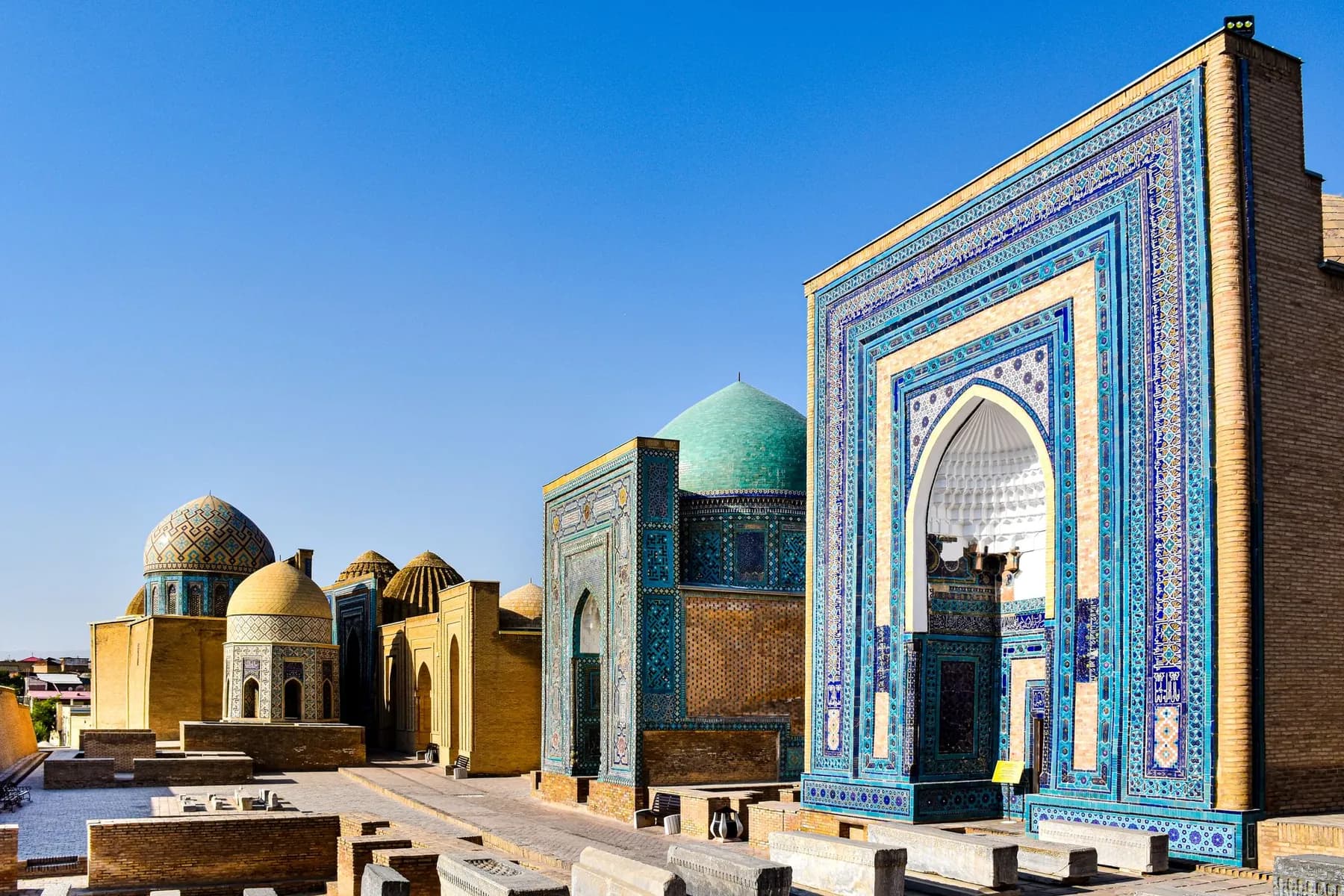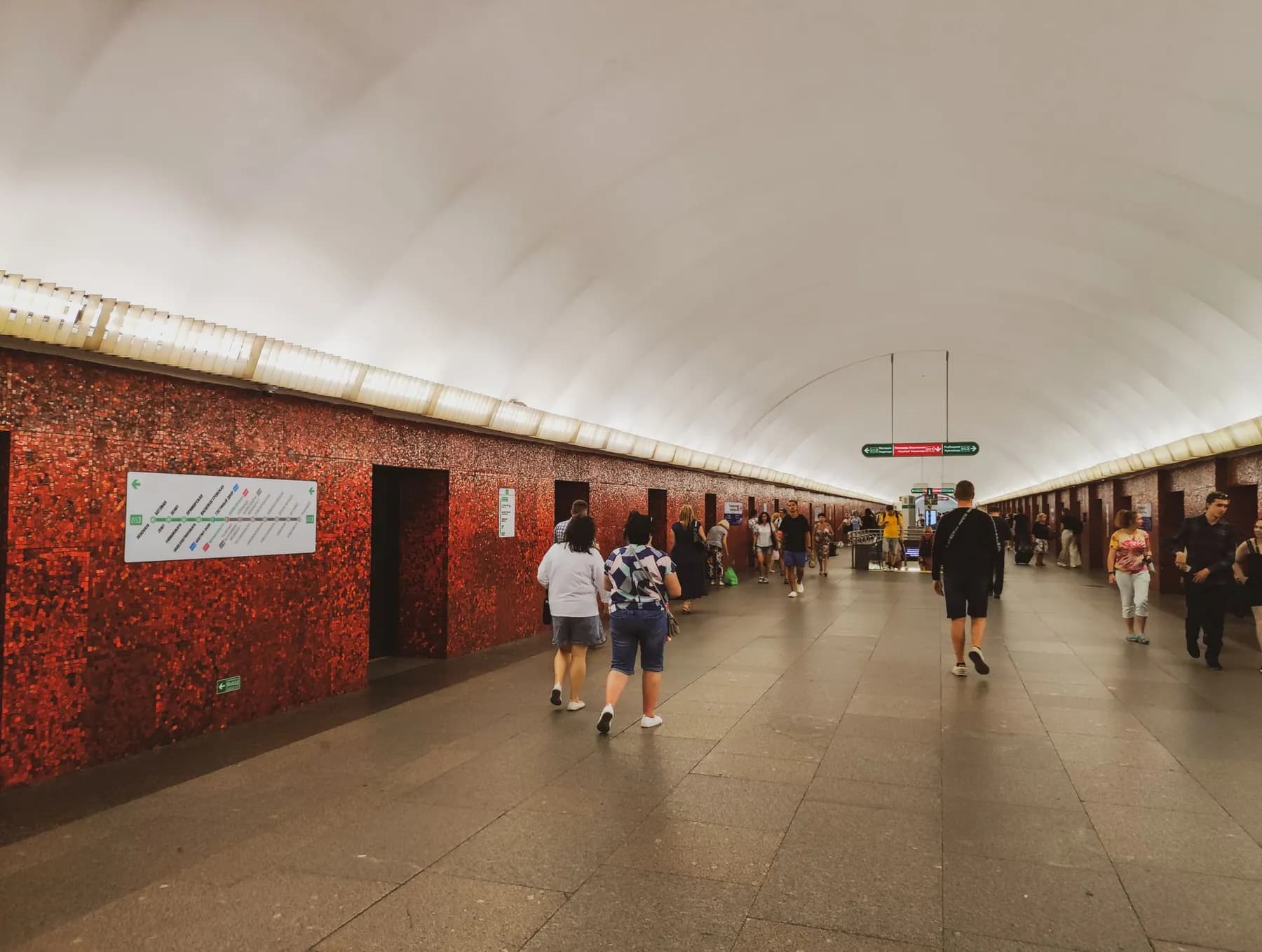
Transport questions ask how you get around, about the metro, buses and traffic. Concrete examples such as the Tashkent metro bring an answer to life.
What the examiner asks on this topic
How do you usually travel to work or university?
Is public transport good in your city?
Do you prefer travelling by car or by public transport?
Is traffic a problem where you live?
Would you like to learn to drive?
Model answers (aimed at band 7+)
How do you usually travel to university?
I take the metro most days. It's about twenty minutes door to door, which is much quicker than going by car in rush hour, and it's really cheap. If I'm running late I'll grab a taxi, but that's quite rare.
Is public transport good in your city?
It's got a lot better in the last few years. The metro has been extended to new districts, and there are more modern buses now. The main problem is that some areas on the outskirts are still poorly connected.
Is traffic a problem where you live?
Yes, especially in the mornings and evenings. The number of cars in Tashkent has grown enormously, and the main roads get completely jammed. That's one of the reasons I'd rather use the metro.
Would you like to learn to drive?
I already have a licence, actually, but I hardly ever drive in the city because parking is so difficult. I'd mainly use a car for trips to the countryside to visit my grandparents.
Useful words and phrases
| Phrase | Meaning |
|---|---|
| door to door | door to door |
| rush hour | rush hour |
| running late | running late |
| be extended to | be extended to |
| the outskirts | the outskirts |
| poorly connected | poorly connected |
| jammed | jammed |
| a driving licence | a driving licence |
How to answer
- Be precise about time and distance: "about twenty minutes door to door".
- For change, use the present perfect: "It's got a lot better", "has been extended".
- When you describe a problem, link cause and effect: "so", "that's why".
- Explain place names briefly: "Chilonzor, a big residential district".
Practise this topic now
The AI examiner asks you these questions, listens to your answers and shows your mistakes.
Everything about Part 1: the Part 1 guide. More topics: all articles.
Practise this topic now
The AI examiner asks you these questions, listens to your answers and shows your mistakes.