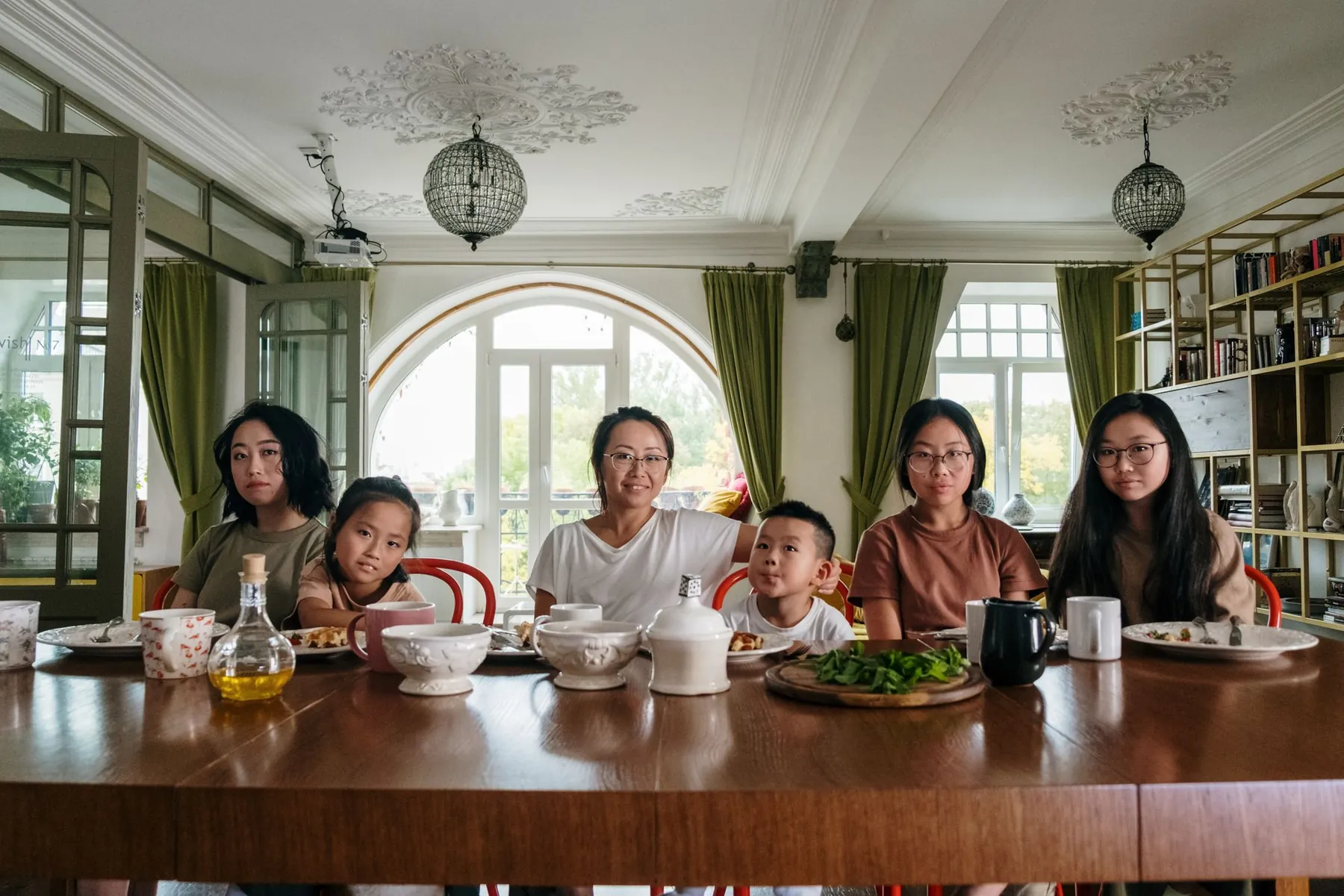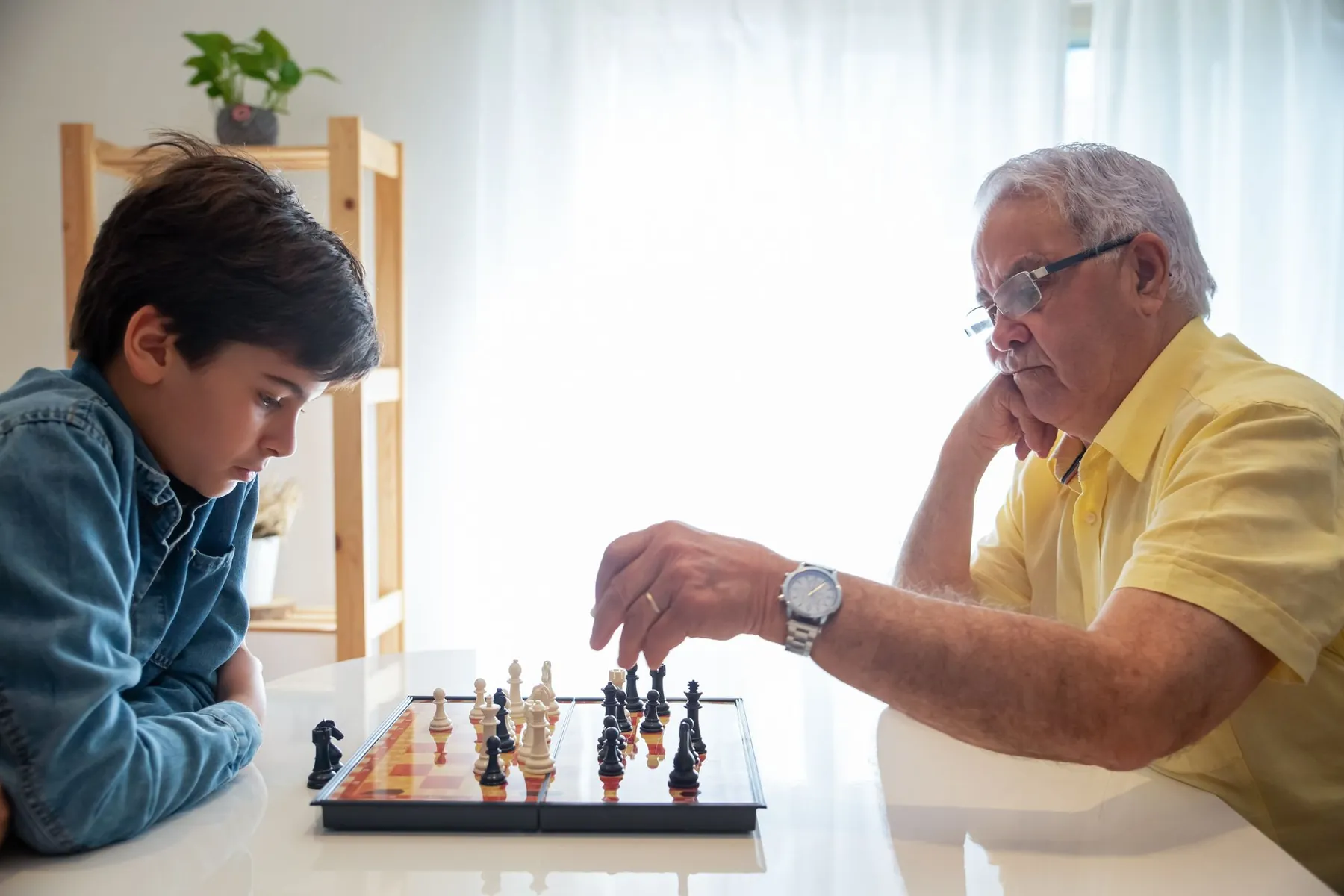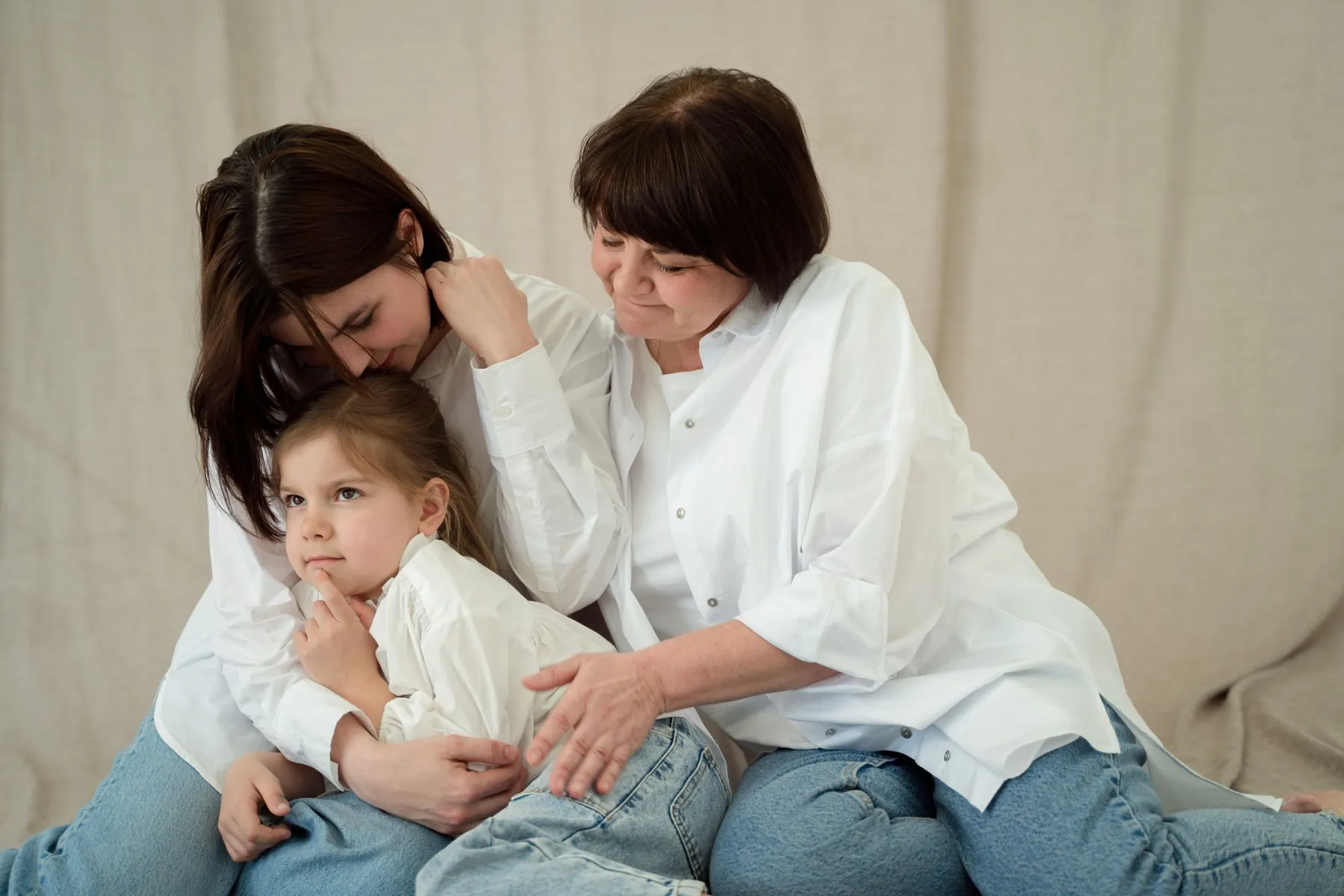
Family and generations follow cue cards about a family member, a friend or childhood. The questions cover how families are changing, old and young, and the role of parents.
Part 3 questions on this topic
How have families in your country changed over the last few decades?
Should grandparents help to raise children?
Do young people respect older people less than before?
Who should look after elderly people: families or the state?
Is it better for children to grow up in a big family?
Why do people get married later than in the past?
Model answers (aimed at band 7+)
How have families in your country changed over the last few decades?
The biggest change is probably size. My grandparents' generation often had six or seven children, while young couples now usually have two or three. More women work outside the home too, and in cities more young couples live separately from their parents, which was quite rare a generation ago.
Should grandparents help to raise children?
I think it's a huge benefit when they can, as long as it's their choice. Grandparents pass on traditions and give children a lot of patience and attention. But it shouldn't turn into a duty; they've already raised one family and deserve some rest.
Do young people respect older people less than before?
I don't think respect has disappeared, but it shows itself differently. Young people in Uzbekistan still stand up for older people on the bus and greet them first. What has changed is that young people are more willing to disagree openly, which older people sometimes see as disrespect.
Why do people get married later than in the past?
Mainly education and money. People study longer, often until their mid-twenties, and many want a stable job before starting a family. Housing is also expensive, so couples wait until they can afford their own place.
Useful words and phrases
| Phrase | Meaning |
|---|---|
| a generation ago | a generation ago |
| pass on traditions | pass on traditions |
| turn into a duty | turn into a duty |
| show itself differently | show itself differently |
| disagree openly | disagree openly |
| a stable job | a stable job |
| afford their own place | afford their own place |
| the elderly | the elderly |
How to answer
- Open with a position, then add a reason, an example and the other side.
- Hedge instead of making absolute claims: "I'd say", "to some extent", "it's likely that".
- When comparing generations, use numbers and your own family: "my grandparents had seven children".
- Stay balanced on sensitive topics: "as long as it's their choice".

Practise this topic now
The AI examiner asks you these questions, listens to your answers and shows your mistakes.
The Part 3 answer shape and hedging language: the Part 3 guide. Useful phrases: 40 phrases.
Practise this topic now
The AI examiner asks you these questions, listens to your answers and shows your mistakes.