Environment questions ask who is responsible (people, companies, the government) and about the future. Concrete examples from Uzbekistan: the Aral Sea, air pollution, saving water.
Part 3 questions on this topic
What are the biggest environmental problems in your country?
Who should be responsible for protecting the environment?
Can individuals really make a difference?
Should plastic bags be banned?
Why don't more people use public transport?
How can schools teach children to care about the environment?
Model answers (aimed at band 7+)
What are the biggest environmental problems in your country?
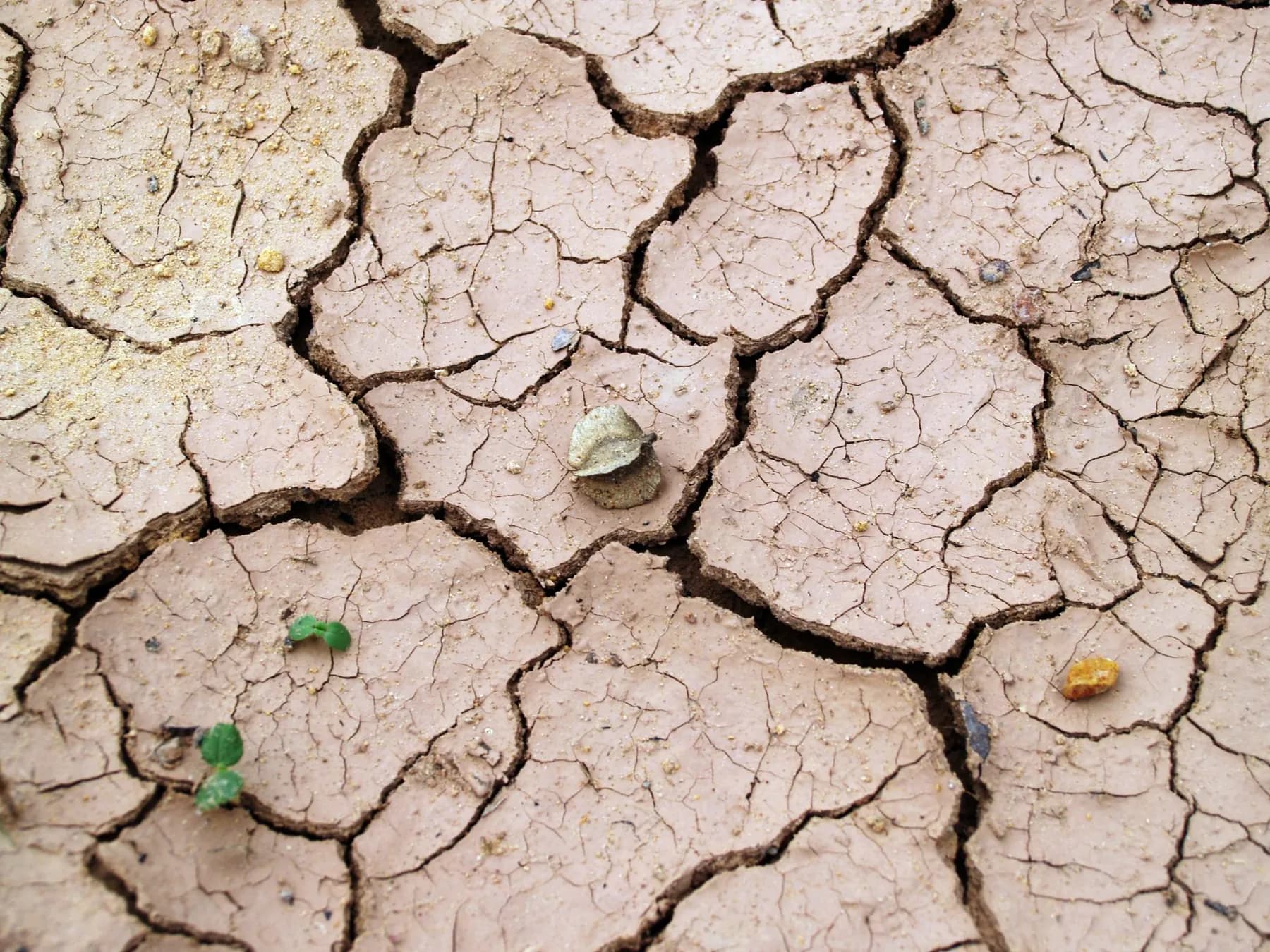
Water is probably the biggest. The Aral Sea has shrunk dramatically because of decades of irrigation, and the region around it still suffers from dust storms and health problems. In the cities, air quality is a growing issue, especially in winter, when a lot of people still heat their homes with coal.
Who should be responsible for protecting the environment?
Mainly governments and large companies, I'd say, because they have the power to change things on a big scale, like setting rules on factory emissions. Individuals matter too, but it's unfair to put the whole responsibility on ordinary people when a single factory pollutes more than a whole city.
Can individuals really make a difference?
To some extent, yes, especially when many people change their behaviour at once. Saving water at home won't save the Aral Sea on its own, but when habits change across millions of households, the effect adds up, and it also puts pressure on politicians to act.
Should plastic bags be banned?
I think a fee works better than a complete ban. When shops started charging for bags in some countries, people quickly got used to bringing their own. A ban can be hard to enforce, especially in markets, whereas a small price changes habits without much resistance.
Useful words and phrases
| Phrase | Meaning |
|---|---|
| shrink dramatically | shrink dramatically |
| irrigation | irrigation |
| air quality | air quality |
| on a big scale | on a big scale |
| emissions | emissions |
| the effect adds up | the effect adds up |
| hard to enforce | hard to enforce |
| put pressure on | put pressure on |
How to answer
- Open with a position, then add a reason, an example and the other side.
- Hedge instead of making absolute claims: "I'd say", "to some extent", "it's likely that".
- Local examples make the answer convincing: the Aral Sea, winter smog.
- For "Should... be banned?" questions, offer an alternative: a tax, a fee, education.
Practise this topic now
The AI examiner asks you these questions, listens to your answers and shows your mistakes.
The Part 3 answer shape and hedging language: the Part 3 guide. Useful phrases: 40 phrases.
Practise this topic now
The AI examiner asks you these questions, listens to your answers and shows your mistakes.