Culture and traditions follow cue cards about a festival, family or food. The questions cover keeping traditions alive, young people and globalisation, where "on the one hand... on the other hand..." is especially useful.
Part 3 questions on this topic
Why is it important to keep traditions alive?
Are young people losing interest in traditional culture?
How does globalisation affect local cultures?
Should governments spend money on preserving traditional arts?
What can people learn from other cultures?
Will countries become more similar in the future?
Model answers (aimed at band 7+)
Why is it important to keep traditions alive?
Traditions connect people to their history and to each other. When you know where your family's customs come from, you have a stronger sense of who you are. They also carry practical knowledge, like crafts or recipes, that could otherwise be lost within a single generation.
Are young people losing interest in traditional culture?
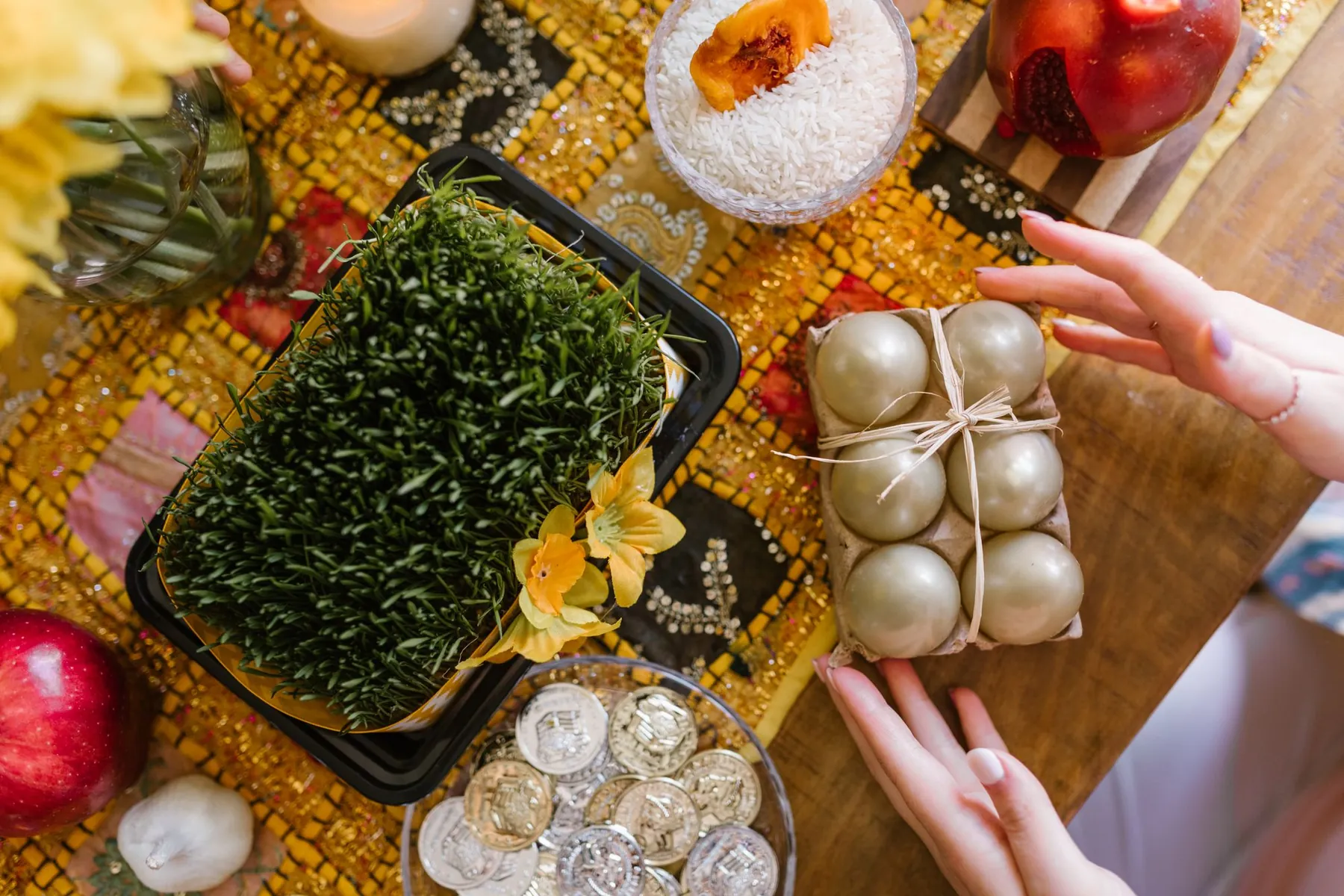
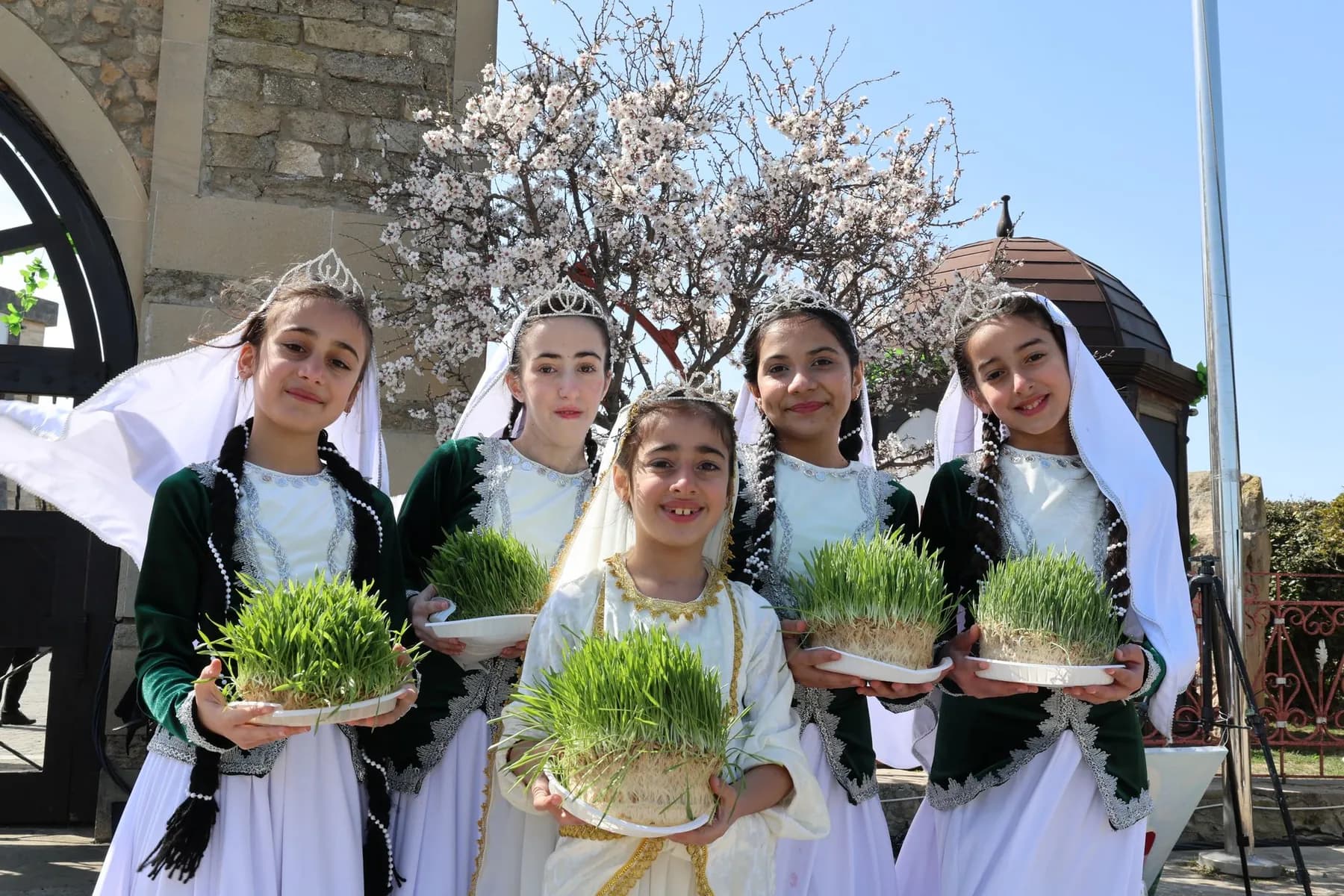
I don't think they're losing interest so much as changing how they take part. Young people in Uzbekistan still celebrate Navruz and have weddings with all the traditional rituals, but they also share them on social media and mix them with modern music. Traditions that can adapt survive; the ones that can't tend to fade.
How does globalisation affect local cultures?
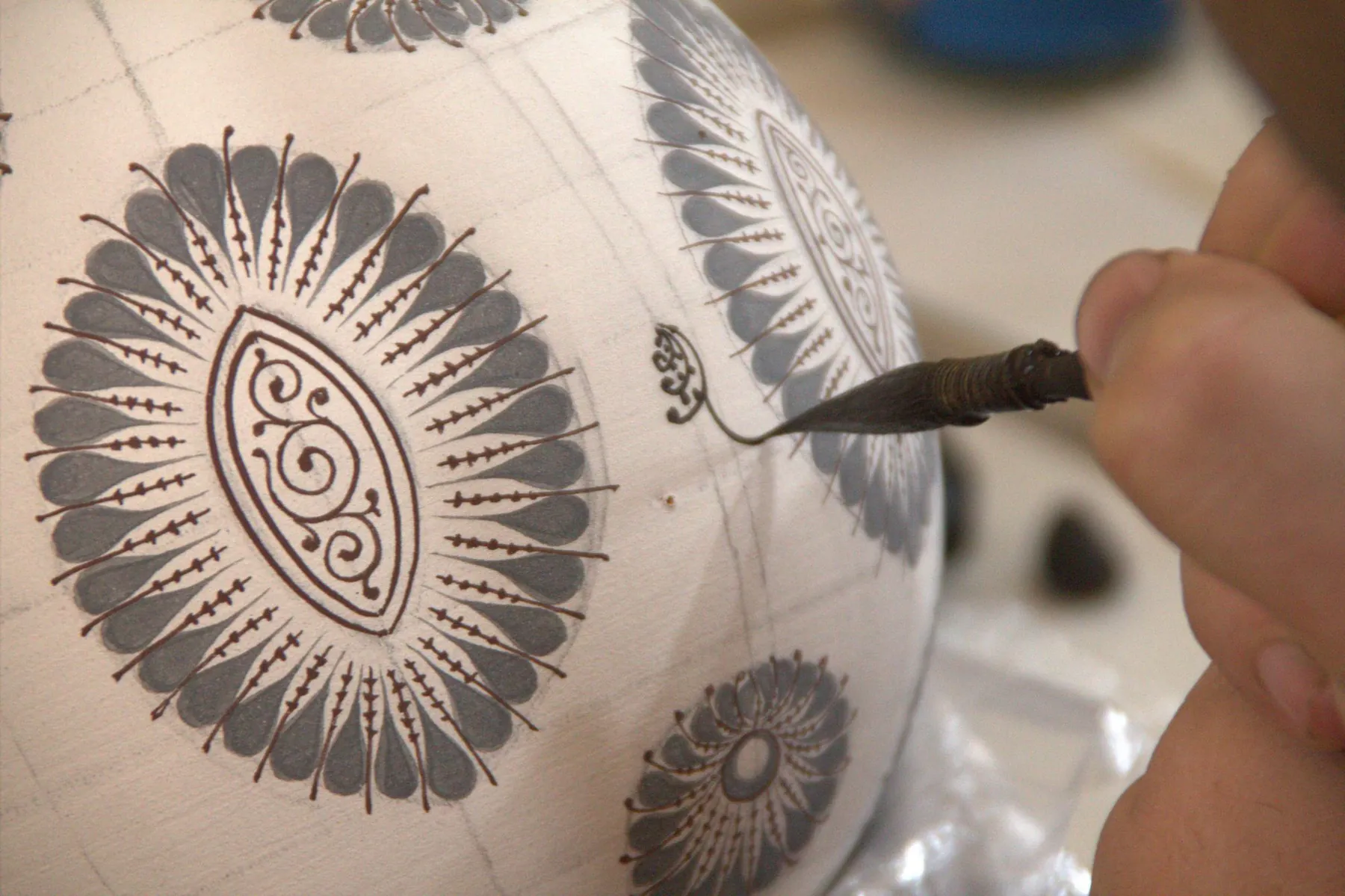
It works in both directions. On the one hand, global brands, films and fast food make cities around the world look more and more alike. On the other hand, the internet lets small cultures reach a global audience. Uzbek ceramics and suzani embroidery, for example, are now sold to buyers all over the world.
Should governments spend money on preserving traditional arts?
I believe they should, at least for the arts that are at risk of disappearing. Many traditional crafts take years to learn and don't pay well at first, so without support, young people choose other careers. Funding workshops and apprenticeships is a relatively cheap way to keep a whole tradition alive.
Useful words and phrases
| Phrase | Meaning |
|---|---|
| keep traditions alive | keep traditions alive |
| a sense of who you are | a sense of who you are |
| within a single generation | within a single generation |
| take part | take part |
| adapt | adapt |
| fade | fade |
| reach a global audience | reach a global audience |
| apprenticeships | apprenticeships |
How to answer
- Open with a position, then add a reason, an example and the other side.
- Hedge instead of making absolute claims: "I'd say", "to some extent", "it's likely that".
- "On the one hand... on the other hand..." is the ideal shape for the globalisation question.
- Give an example from Uzbek crafts: suzani, ceramics, the master-and-apprentice tradition.

Practise this topic now
The AI examiner asks you these questions, listens to your answers and shows your mistakes.
The Part 3 answer shape and hedging language: the Part 3 guide. Useful phrases: 40 phrases.
Practise this topic now
The AI examiner asks you these questions, listens to your answers and shows your mistakes.