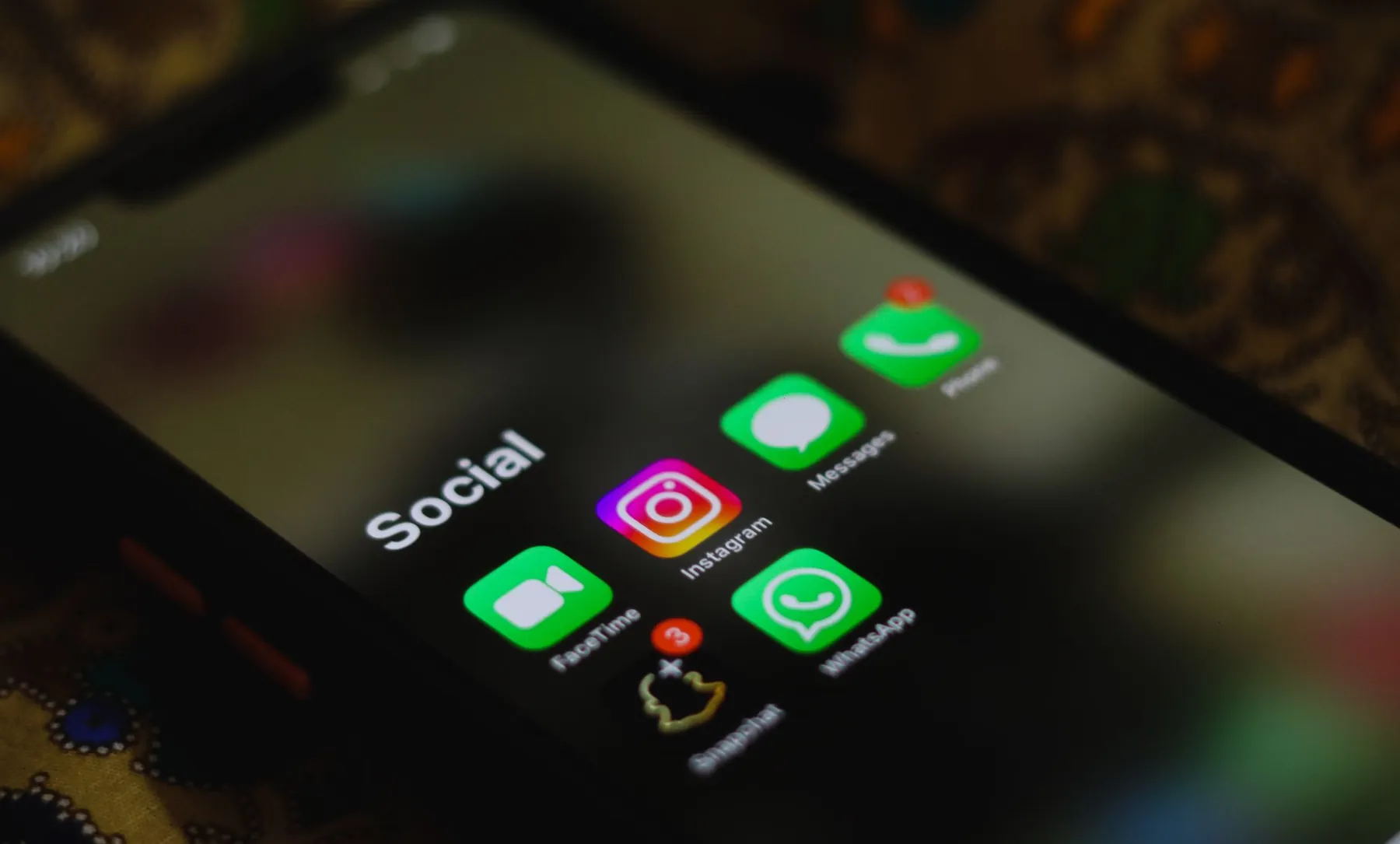
Соцсети одна из самых частых тем части 3 Multilevel, потому что у каждого есть свой опыт. Главная ошибка: говорить только о вреде. Ответ уровня C1 взвешивает обе стороны и приходит к более тонкой позиции вроде «всё зависит от того, как мы их используем».
Задание
Statement: Social media does more harm than good.
| For | Against |
|---|---|
| It spreads false information quickly | It keeps families in touch across countries |
| It is addictive and wastes time | Small businesses find customers |
| It hurts teenagers' self-esteem | It gives everyone a voice |
Нужно показать обе стороны и обосновать свою позицию: 1 минута на подготовку, 2 минуты на ответ. Это тренировочное задание в формате экзамена.
Пример ответа (около 2 минут)
Social media does more harm than good.
Social media has become part of almost everyone's daily life, so whether it does more harm than good is a question that affects all of us. There are convincing arguments on both sides.
On the one hand, it clearly causes real damage. False information spreads much faster than corrections, and many people believe whatever they see in a Telegram channel without checking it. It's also designed to be addictive: it's very easy to open Instagram for five minutes and look up an hour later. For teenagers in particular, constantly comparing themselves with perfect-looking strangers can seriously hurt their self-esteem.
On the other hand, it would be unfair to ignore the benefits. Many Uzbek families have relatives working in Russia, Korea or Turkey, and social media lets them see each other every day, which was impossible twenty years ago. It has also created opportunities: a lot of small businesses, from bakers to tailors, now find most of their customers on Instagram.
Taking everything into account, I don't believe social media itself does more harm than good. The harm comes mostly from how we use it. If schools taught young people to check their sources and manage their screen time, I think the benefits would clearly outweigh the problems.
Полезные слова и выражения
| Выражение | Значение |
|---|---|
| convincing arguments | убедительные аргументы |
| false information | ложная информация |
| designed to be addictive | созданный, чтобы вызывать зависимость |
| self-esteem | самооценка |
| it would be unfair to ignore | было бы несправедливо игнорировать |
| relatives working abroad | родственники, работающие за границей |
| screen time | экранное время |
| outweigh | перевешивать |
Как отвечать
- Во вступлении перескажите тему своими словами, а не читайте таблицу.
- К каждому аргументу добавьте местный пример: Telegram-каналы, родственники за границей, малый бизнес в Instagram.
- Компромиссная позиция в выводе вроде «the harm comes mostly from how we use it» показывает уровень C1.
- Решение через условное предложение: «If schools taught..., the benefits would...».

Отработайте эту тему сейчас
AI-экзаменатор задаст вам эти вопросы, выслушает ответ и покажет ошибки.
Структура ответа и фразы уровня C1: руководство по части 3. Общий формат: Multilevel Speaking.
Отработайте эту тему сейчас
AI-экзаменатор задаст вам эти вопросы, выслушает ответ и покажет ошибки.