A childhood memory is ideal for every past tense: past simple, past continuous, past perfect and "used to". Small details (a smell, a sound, a colour) bring the story to life.
The cue card
Describe a happy memory from your childhood.
You should say:
what happened
when and where it happened
who you were with
and explain why it is a happy memory for you.
One-minute notes
- what: first time catching a fish
- when/where: age 9, summer, river near grandparents' village
- who: grandfather and cousin
- why: proud, grandfather cooked it, felt grown-up
Model answer (about 2 minutes)
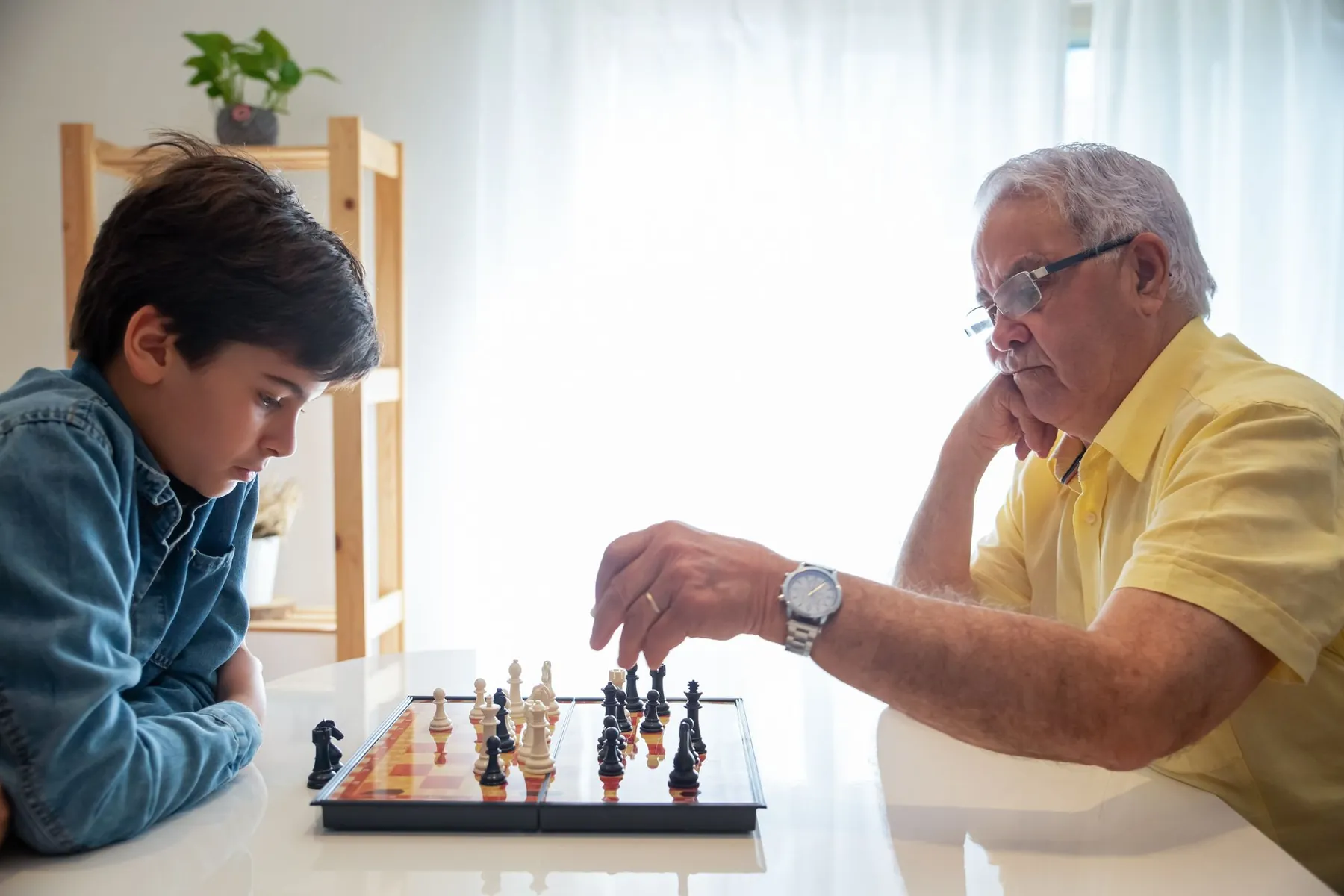
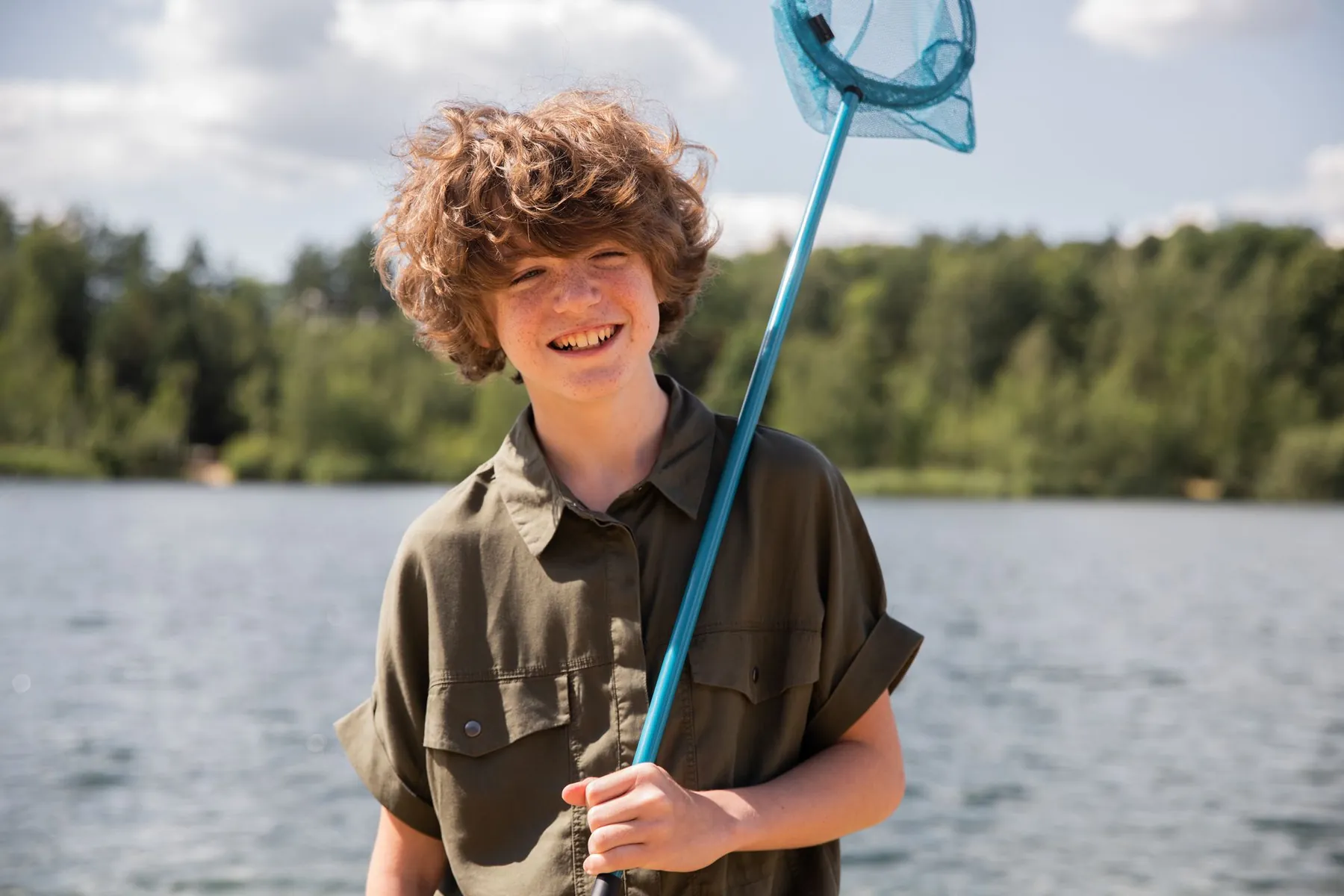
One of my happiest childhood memories is the first time I caught a fish. I was about nine, and I was spending the summer at my grandparents' house in a village near the mountains.
Every morning my grandfather used to go fishing at a small river about a kilometre from the house, and for weeks I'd been begging him to take me. One day he finally agreed, on the condition that I got up at five. My cousin came with us too, and I remember walking along the path while it was still a bit dark and the grass was wet.
For the first two hours nothing happened, and my cousin and I were getting bored and starting to argue. Then suddenly my line moved. I panicked and nearly dropped the rod, but my grandfather stayed calm and talked me through it, and eventually I pulled out a fish about the size of my hand. Honestly, it was tiny, but to me it felt enormous.
It's a happy memory because I felt so proud and so grown-up. When we got back, my grandfather cooked it for lunch and told the whole family that I'd caught it all by myself, which wasn't exactly true.
Whenever I smell a river in the morning, I think of that day.
Useful words and phrases
| Phrase | Meaning |
|---|---|
| beg someone to | beg someone to |
| on the condition that | on the condition that |
| talk someone through | talk someone through |
| grown-up | grown-up |
| not exactly true | not exactly true |
| stay with us | stay with us |
| blend together | blend together |
| explore | explore |
How to answer
- Mix tenses: "used to" (habit), past perfect (earlier), past continuous (background).
- Sensory details: "the grass was wet", "it was still a bit dark".
- Humour or an honest aside makes the story natural: "it was tiny, but...".
- End by linking to the present: "Whenever I..., I think of...".

Practise this topic now
The AI examiner asks you these questions, listens to your answers and shows your mistakes.
Part 3: follow-up discussion questions
Do children today have different childhoods from their parents?
In many ways, yes. My parents spent most of their free time outside with other children, while kids now spend much more time indoors with screens. They have more information, but probably less freedom to explore.
Why do people remember some events from childhood so clearly?
Usually because of strong emotions. Moments when we felt very proud, scared or happy seem to stay with us, whereas ordinary days just blend together.
Is it important for children to spend time in nature?
What responsibilities should children have at home?
Part 2 strategy: the cue card guide. Next step: the Part 3 guide.
Practise this topic now
The AI examiner asks you these questions, listens to your answers and shows your mistakes.