A card about being late is one of the best for past tenses: the past continuous for background, the past perfect for what happened earlier, and a third conditional for the lesson: "If I had left earlier, I wouldn't have...".
The cue card
Describe a time when you were late for something important.
You should say:
what it was
why you were late
what happened as a result
and explain how you felt about it.
One-minute notes
- what: internship interview at a bank, 10 a.m., a year ago
- why: metro stopped in the tunnel 20 min, then a taxi in traffic
- result: 25 min late, out of breath, she still saw me, got it
- feel: panic, embarrassed; lesson: leave an hour early
Model answer (about 2 minutes)
I'd like to talk about the time I was late for a job interview, which was probably the most stressful morning of my life. It was about a year ago, and the interview was for an internship at a bank in the centre of Tashkent, at ten o'clock.
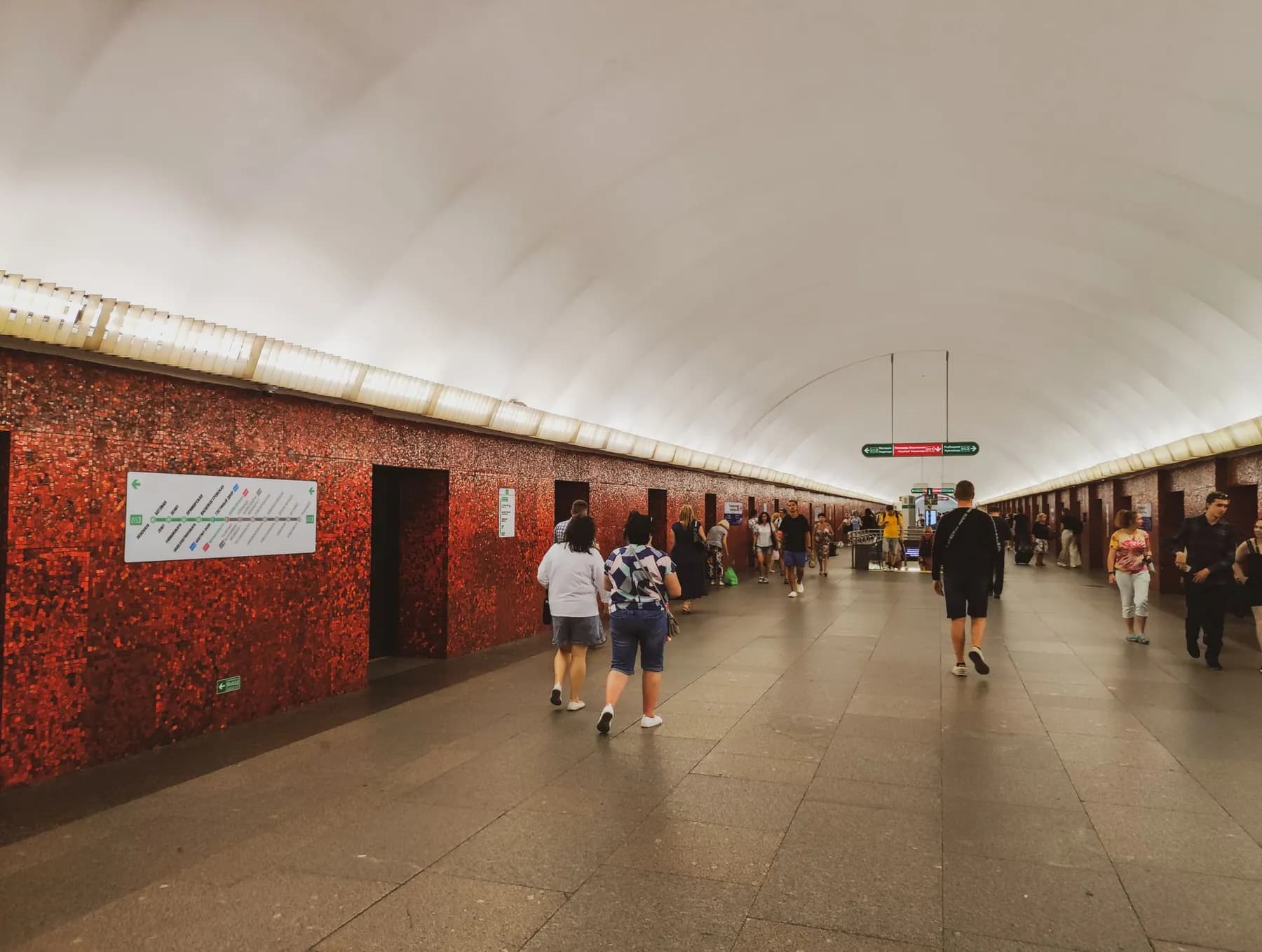
I'd planned everything carefully. I left home at nine, which should have given me plenty of time, but about two stations from my stop the train just stopped in the tunnel. We were stuck there for nearly twenty minutes, and of course there was no signal, so I couldn't even call to warn them.
When I finally got out, I jumped into a taxi, but the traffic was terrible, and by the time I ran into the building I was twenty-five minutes late and completely out of breath.
Luckily, the woman who was interviewing me was very understanding. She said she'd heard about the problem on the metro and that she had a gap before her next meeting, so she still saw me. I actually got the internship in the end, although I'm sure it wasn't thanks to my first impression.
Looking back, I felt terrible at the time, embarrassed and panicked, but I learned a simple lesson: for anything important, I now leave a full hour early, and I always save the phone number of the person I'm meeting.
Useful words and phrases
| Phrase | Meaning |
|---|---|
| plenty of time | plenty of time |
| be stuck | be stuck |
| warn | warn |
| out of breath | out of breath |
| understanding | understanding |
| first impression | first impression |
| looking back | looking back |
| punctuality | punctuality |
How to answer
- Open the plan with the past perfect, "I'd planned everything carefully", then say what went wrong.
- Time markers drive the story: "when I finally got out", "by the time I...".
- Give the result honestly, with a little humour: "it wasn't thanks to my first impression".
- End with a concrete lesson: what you do differently now.
Practise this topic now
The AI examiner asks you these questions, listens to your answers and shows your mistakes.
Part 3: follow-up discussion questions
Why are some people always late?
Partly personality, I think. Some people are simply too optimistic about how long things take, and they try to fit in one more task before they leave. In other cases it's a lack of respect for other people's time, which is more of a problem.
Is punctuality important in your culture?
It depends on the situation. For work and official appointments, people expect you to be on time, but for family visits and weddings, arriving half an hour late is completely normal, and nobody minds.
How can technology help people manage their time?
Should people who are late for work be punished?
Part 2 strategy: the cue card guide. Next step: the Part 3 guide.
Practise this topic now
The AI examiner asks you these questions, listens to your answers and shows your mistakes.