В cue card о привычке главная грамматика present perfect: как привычка изменила вашу жизнь («I've lost», «I've been sleeping better»). Цифры и неожиданная польза усиливают ответ, а совет в конце становится мостиком к Part 3.
Cue card
Describe a good habit you have.
You should say:
what the habit is
when you started it
how it has affected your life
and explain why you think it is a good habit.
Заметки за 1 минуту
- what: walking 40 min a day, home from university (4 km)
- start: first year at uni, sitting all day, weight, back pain
- effect: minus 6 kg, no back pain, better sleep, 5 h of English podcasts a week
- why: free, easy, fits into my day; attach habits to routines
Пример ответа (около 2 минут)
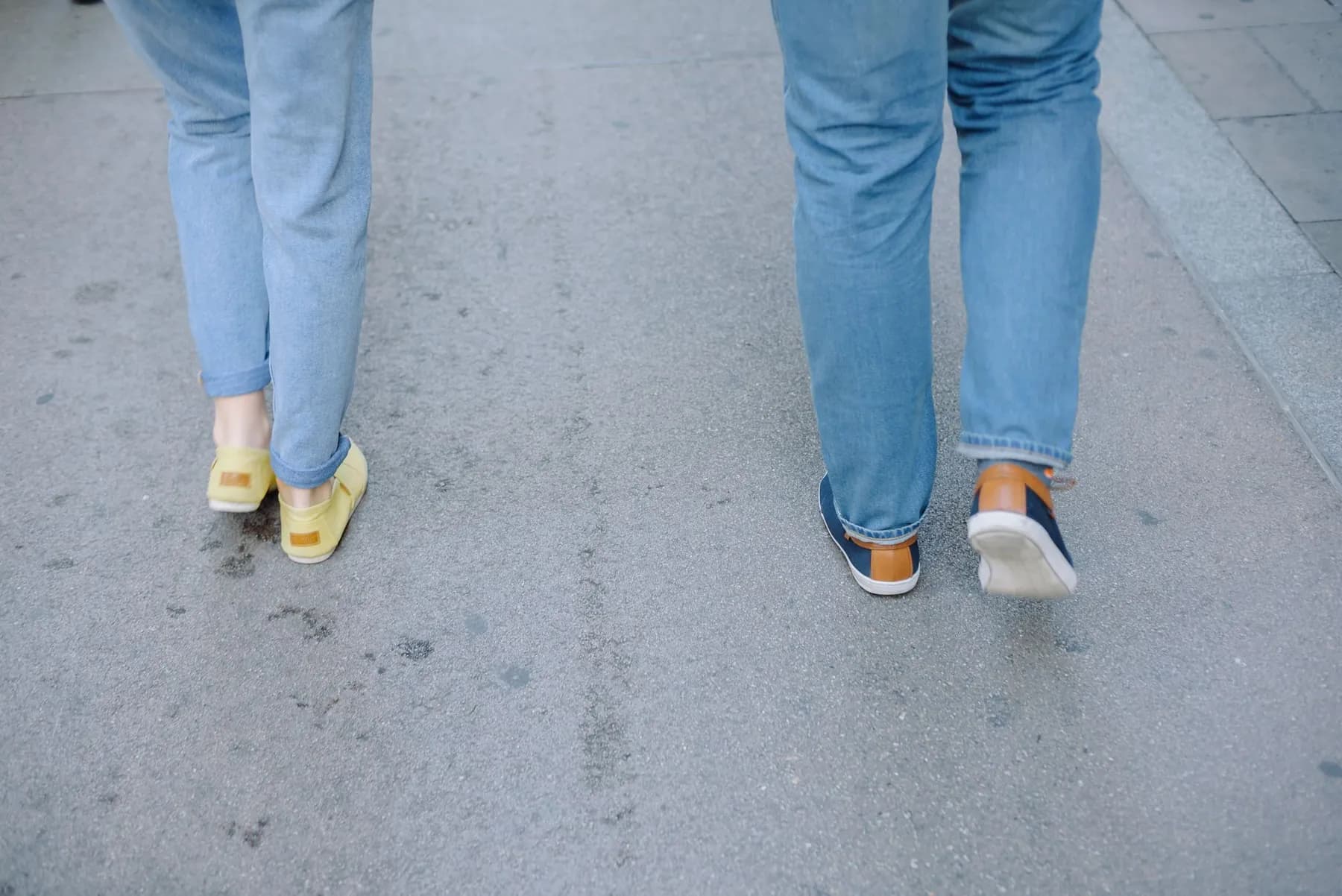
A good habit I'm quite proud of is walking for at least forty minutes every day. Most days I do it by walking home from university instead of taking the metro, which is about four kilometres.
I started it in my first year at university. I was sitting for most of the day, in lectures and then at my desk, and after a few months I'd put on weight and started getting back pain, which is ridiculous at nineteen. A friend suggested walking home together, and it just stuck.
It's affected my life in more ways than I expected. I've lost about six kilos, my back pain has gone and I sleep much better. But the unexpected benefit is English: I listen to podcasts while I walk, so I get almost five hours of listening practice a week without having to find extra time for it.
I think it's a good habit mainly because it's so easy to keep. It's free, it doesn't need any equipment, and it fits into something I have to do anyway, which is getting home. Whenever I've tried more ambitious habits, like going to the gym at six in the morning, I've given up within a couple of weeks.
So my advice to anyone trying to build a habit would be to attach it to something you already do.
Полезные слова и выражения
| Выражение | Значение |
|---|---|
| put on weight | набрать вес |
| ridiculous | нелепо |
| it just stuck | так и прижилось |
| in more ways than I expected | больше, чем я ожидал |
| an unexpected benefit | неожиданная польза |
| fit into | вписываться в |
| ambitious | амбициозный |
| an instant reward | мгновенная награда |
Как отвечать
- Называйте привычку с конкретной мерой: «forty minutes», «four kilometres».
- Для истории начала past perfect: «I'd put on weight».
- Результаты перечислите через present perfect, затем добавьте неожиданную пользу.
- В конце короткий совет: «My advice would be to...».
Отработайте эту тему сейчас
AI-экзаменатор задаст вам эти вопросы, выслушает ответ и покажет ошибки.
Part 3: вопросы для обсуждения
Why do people find it hard to change bad habits?
Because bad habits usually give an instant reward, while the benefits of good habits take weeks to appear. Scrolling on your phone feels good immediately; the results of exercise don't.
Should schools teach children healthy habits?
Definitely, because habits formed in childhood tend to last. Things like regular exercise and a sensible attitude to screens are much easier to learn at ten than at thirty.
Do parents or friends have more influence on a young person's habits?
Can technology help people build good habits?
Стратегия Part 2: руководство по cue card. Дальше: руководство по Part 3.
Отработайте эту тему сейчас
AI-экзаменатор задаст вам эти вопросы, выслушает ответ и покажет ошибки.