A conversation card needs two things: an unexpected person and what you took away from the talk. Reported speech, such as "He said that...", gives you a natural chance to show grammar.
The cue card
Describe an interesting conversation you had with someone.
You should say:
who you talked to
when and where it happened
what you talked about
and explain why it was interesting.
One-minute notes
- who: taxi driver, sixties, retired physics teacher
- when/where: last winter, early ride to the airport, 40 min
- what: why he drives, students then and now, effort
- why: unexpected, thoughtful, don't judge people by their job
Model answer (about 2 minutes)
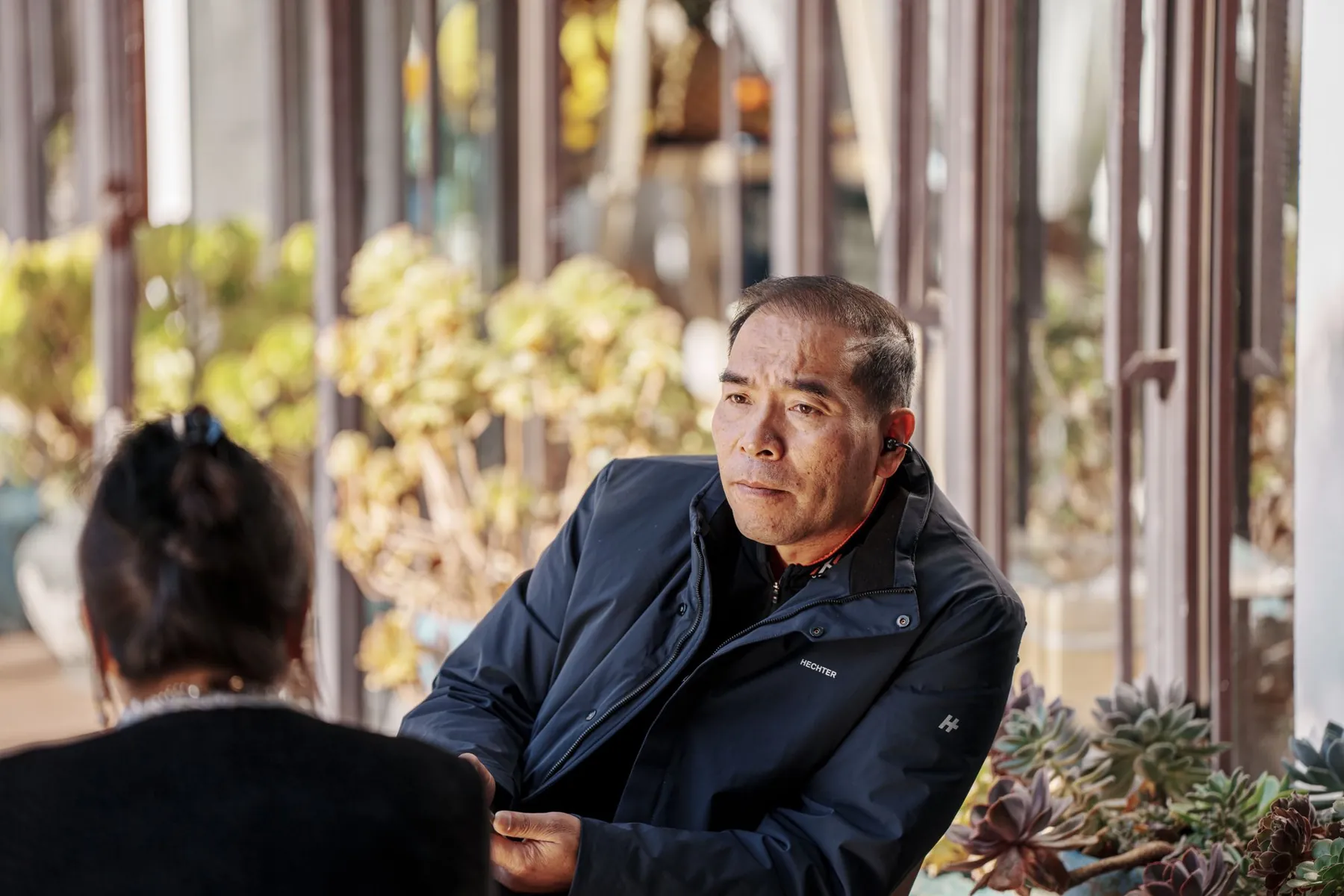
The conversation I'd like to describe happened in a taxi, of all places. Last winter I was going to the airport early in the morning, and the driver was a man in his sixties who, it turned out, used to be a physics teacher.
At first we just chatted about the weather and the traffic, but when he found out I was a student, he started asking what I was studying and whether I liked it. Then he told me his own story: he'd taught physics for almost thirty years, and he'd only started driving after he retired, partly for the money and partly because he couldn't stand sitting at home.
What made it so interesting was the way he compared students then and now. He said that today's students have access to far more information than his ever did, but they give up much faster when something is difficult. He wasn't complaining, though. He said it was a teacher's job to make difficult things feel worth the effort.
By the time we reached the airport, we'd been talking for forty minutes, and I'd completely forgotten to look at my phone.
It stayed with me because it was so unexpected. I'd assumed he was just a driver, and he turned out to be one of the most thoughtful people I've ever spoken to. It reminded me not to judge people by the job they happen to be doing at a particular moment.
Useful words and phrases
| Phrase | Meaning |
|---|---|
| of all places | of all places |
| it turned out | it turned out |
| chat about | chat about |
| couldn't stand | couldn't stand |
| give up | give up |
| worth the effort | worth the effort |
| stay with someone | stay with someone |
| judge people by | judge people by |
How to answer
- Open with an unexpected detail: "in a taxi, of all places".
- Give the content through reported speech: "He said that...", "he told me...".
- Say how long the conversation lasted: it adds precision to the story.
- End with what changed in your thinking: "It reminded me not to...".
Practise this topic now
The AI examiner asks you these questions, listens to your answers and shows your mistakes.
Part 3: follow-up discussion questions
Do people talk to strangers less than they used to?
I think so, especially in big cities. Most people have headphones in or are looking at their phones, which sends a clear signal that they don't want to talk. In villages, though, chatting to strangers is still completely normal.
What makes someone a good conversationalist?
Mainly being a good listener. People who ask questions and remember what you said are much nicer to talk to than people who are just waiting for their turn to speak.
Is online communication replacing face-to-face conversation?
What topics should people avoid when talking to strangers?
Part 2 strategy: the cue card guide. Next step: the Part 3 guide.
Practise this topic now
The AI examiner asks you these questions, listens to your answers and shows your mistakes.